Understanding Solutions and Mixtures: Key Concepts in Chemistry
This guide describes the essential concepts of solutions and mixtures in chemistry. A solution is defined as a homogeneous mixture where a solute dissolves in a solvent, while mixtures can be either homogeneous or heterogeneous, consisting of two or more substances that can be separated by physical means. Key terms include solute, solvent, element, and compound, explaining their characteristics and differences. Understanding these concepts is crucial for identifying and working with various types of mixtures in both solid, liquid, and gaseous states.

Understanding Solutions and Mixtures: Key Concepts in Chemistry
E N D
Presentation Transcript
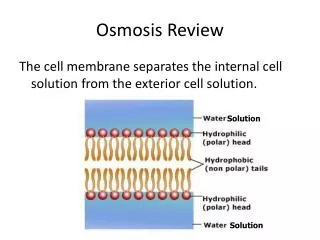
Mixture – combination of substances that can be separated by physical means • Heterogeneous mixture • Homogeneous mixture • Solution – another name for homogeneous mixture • Solute – substance that seems to disappear • Solvent – substance that dissolves the solute • Solid, liquid, and gaseous solutions
# 1 • Element - single kind of atom • Compound - more than one kind of atom joined together chemically • Same ratio of numbers of atoms • Cannot be broken up by physical means • Mixture - two or more substances that can be separated by physical means
# 2 • Hydrogen and Oxygen are homogeneous mixtures, or solutions. • Water vapor is a pure substance, the compound water.
#3 • Strongest - tab • Flexible - can