Integrated Biotic Community and Human Impact Model for Forest Ecosystem Management
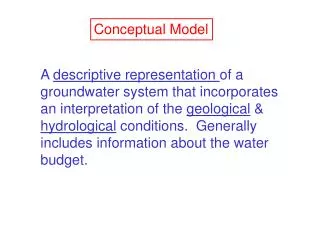
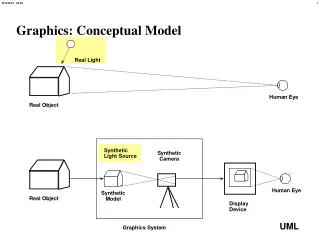
This conceptual framework outlines a comprehensive model for understanding forest ecosystems by examining the interactions between biotic communities—flora and fauna—and their physical environment. It investigates factors such as geology, climate, soil composition, and human impacts like logging, land use changes, and management practices. The model integrates elements like forest structure, nutrient cycling, and ecosystem dynamics, providing insights for sustainable forest management, conservation efforts, and addressing challenges posed by climate change and invasive species.

Integrated Biotic Community and Human Impact Model for Forest Ecosystem Management
E N D
Presentation Transcript
MOFEPCONCEPTUAL MODEL December 7, 2005
Site History (Logging, Fire, etc.) Biotic Community (Flora and Fauna) Forest Structure & Composition Physical Environment Human Impacts
PHYSICAL ENVIRONMENT SUB-MODEL Human Impacts (Management) Geology/ Parent material Forest structure& composition Flora (ground flora, fungi, lichen) Nutrients Topography Slope Aspect Elevation Soil Landform Decomposers Time Water Climate Temperature Wind Fauna (Birds, Mammals, Herps, Invertebrates) Air Light Rain
BIOTIC COMMUNITY - FLORA SUB-MODEL Forest structure& composition Biomass Removal (Harvest) Overstory Habitat, Food & Cover for Fauna Understory Disturbance (Fire, Weather, Herbivores) Soil Allies Ground Flora Debris & Gas Flux Nutrients
BIOTIC COMMUNITY - FAUNA SUB-MODEL Insectivores Forest structure& composition Parasites/ Disease Herbivores Carnivores Hunting/Trapping Pollinators/Dispersers Flora Decomposers Vegetation Climate Light effects Microclimate Topography Moisture Soils Disturbance Invasives Wintering grounds/Migration Natural Landscape context Man-made
HUMAN IMPACT SUB-MODEL Public Values (Attitudes, Aesthetics, Rural/Urban, Different Cultures, Forests/Management/Fire, Tradional/Non-traditional Users, Education) Forest structure& composition Site History Demand (Timber, Recreation, Clean Air & Water, Management (Harvest/Impact, Silviculture, Exotics, Prescribed Fire, Fire Suppression, Grazing, etc.) Policy (MDC, External, Politics) Outside Influencers Economy Researcher Impact Population Growth Human-caused Climatic Change Human-Introduced Invasive Species Land Use (Fragmentation, Urbanization, Matrix Composition)