Sustainable River Management: Non-Consumptive Approaches and Long-Term Security
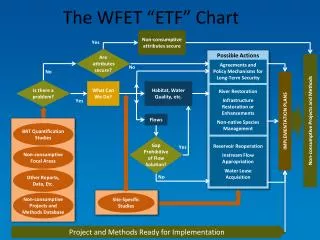
This document explores non-consumptive management strategies for rivers, emphasizing the importance of ecosystem health and water quality. It outlines possible actions, agreements, and policy mechanisms for achieving long-term security for rivers while addressing challenges like habitat degradation and non-native species. The report advocates for river restoration, infrastructure enhancements, and collaborative approaches in the implementation of plans. With a focus on sustainable practices, it seeks to balance economic needs and the intrinsic values of river systems, drawing inspiration from Donald Worster's insights.

Sustainable River Management: Non-Consumptive Approaches and Long-Term Security
E N D
Presentation Transcript
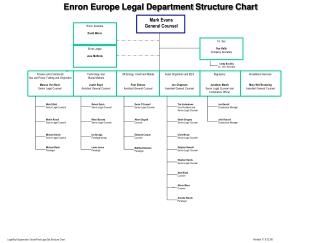
The WFET “ETF” Chart Non-consumptive attributes secure Yes Are attributes secure? Possible Actions Agreements and Policy Mechanisms for Long-Term Security No No Is there a problem? Habitat, Water Quality, etc. What Can We Do? River Restoration Infrastructure Restoration or Enhancements Non-native Species Management Yes Flows Non-consumptive Projects and Methods IMPLEMENTATION PLANS BRT Quantification Studies Gap Prohibitive of Flow Solution? Reservoir Reoperation Instream Flow Appropriation Water Lease Acquisition Yes Non-consumptive Focal Areas Other Reports, Data, Etc. No Non-consumptive Projects and Methods Database Site-Specific Studies 1 Project and Methods Ready for Implementation
Rivers are more than just “natural” conduits for the engineered delivery of water “A river, to be sure, is a means to economic production, but before that it is an entity unto itself, with its own processes, dynamics and values… To use a river without violating its intrinsic qualities will require much of us. It will require our learning to think like a river…” - Donald Worster, Rivers of Empire