Download
1 / 13
130 likes | 245 Vues
Wind energy is a cornerstone of sustainable power, with potential to provide 20% of U.S. electricity by 2030. In Colorado, the state ranks 11th in wind resource and 8th in installed projects. Key team members, including experts from CSU and the Colorado Harvesting Energy Network, highlight the importance of site evaluation, proper turbine siting, and zoning considerations. Engaging communities in wind energy, especially through small and large-scale projects, paves the way for local jobs and stable income for farmers and ranchers. Learn more about training and resources available for wind energy enthusiasts.

E N D
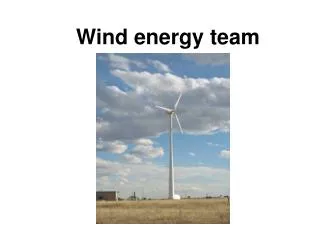
Members • Irene Shonle • Dennis Kaan • Mike Kostrzewa, PE, Director, CSU Wind Application Center • Rebecca Cantwell, Colorado Harvesting Energy network
What is the potential of wind? • The U.S. Department of Energy has announced a goal of obtaining 6% of U.S. electricity from wind by 2020 • Wind power could provide 20% of U.S. electricity needs by 2030
Is my site windy enough? • Evaluating resource is first and most important step • Anemometer loan program data • www.engr.colostate.edu/ALP/ALP_Sites.htm • Wind map
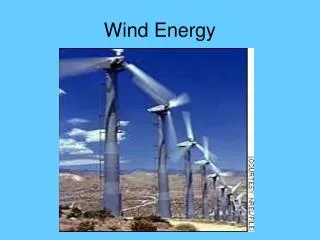
Turbine siting important • Tower height • Trees/other objects need to be at least 300 feet away
Scale of wind • Small wind: for home owners, small businesses to offset electrical usage • Big wind – leasing land to a wind developer can provide farmers/ranchers with steady income • 95% of land still useable • Need at least 60 acres per megawatt
Emerging – Community wind • Municipalities, large organizations own their own turbines • Local jobs, local benefits • Only example in CO right now is of Lamar and Springfield “piggybacking” onto large wind farm • Presence of large farm allowed these towns to buy five 1.5 MW turbines • NECO wind in Sedgwick, Philips, and Logan Counties will soon construct 400 MW Farm
Potential issues • Zoning • Varies by county, municipality • Wildlife • Noise • Viewshed • Transmission (big wind only) • Difficult to find good information, independent testing
To learn more: • Come to agent training in spring (TBA) • February? Eastern Plains? • In-depth resources on website • http://www.ext.colostate.edu/energy/wind.html • New fact sheets • Small wind - finished • Big wind -under review • Understanding wind resources -under development
Upcoming from team • Working on national wind curriculum with 8 other states • Wind webinars • more fact sheets on eXtension • Small wind turbine to be installed outside Gilpin Extension Office