Download
1 / 4
0 likes | 0 Vues
A copper testing machine is an essential tool for evaluating the strength, durability, and performance of copper materials. By performing tests such as tensile, hardness, compression, and hot deformation testing, manufacturers can ensure their products meet quality and safety standards.

E N D
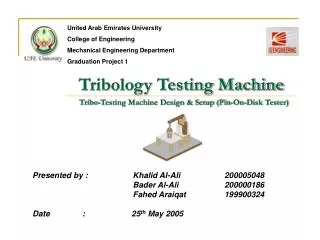
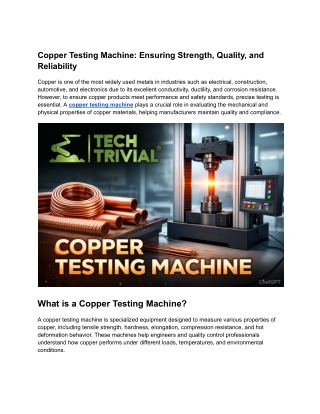
Copper Testing Machine: Ensuring Strength, Quality, and Reliability Copper is one of the most widely used metals in industries such as electrical, construction, automotive, and electronics due to its excellent conductivity, ductility, and corrosion resistance. However, to ensure copper products meet performance and safety standards, precise testing is essential. A copper testing machine plays a crucial role in evaluating the mechanical and physical properties of copper materials, helping manufacturers maintain quality and compliance. What is a Copper Testing Machine? A copper testing machine is specialized equipment designed to measure various properties of copper, including tensile strength, hardness, elongation, compression resistance, and hot deformation behavior. These machines help engineers and quality control professionals understand how copper performs under different loads, temperatures, and environmental conditions.
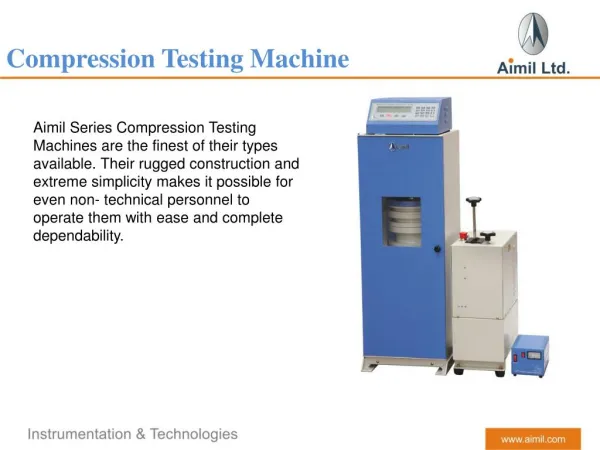
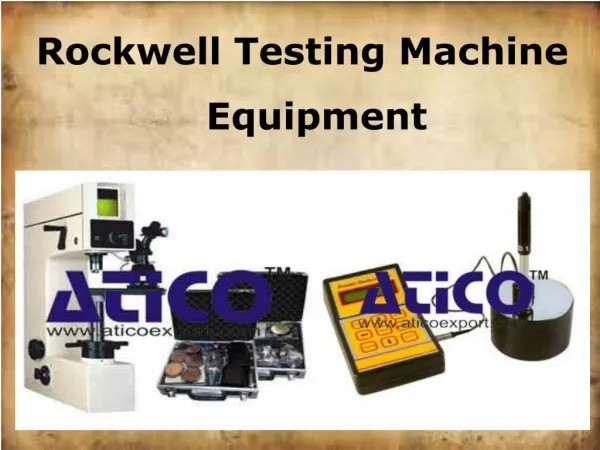
Copper testing machines are commonly used in research laboratories, manufacturing plants, and quality inspection facilities. They ensure copper wires, rods, sheets, and alloys meet industry requirements before being used in critical applications. Types of Tests Performed on Copper 1. Tensile Testing Tensile testing is one of the most important tests for copper. It measures how much force copper can withstand before breaking. The machine pulls the copper sample until failure, recording important parameters such as: ● Ultimate tensile strength ● Yield strength ● Elongation percentage ● Elastic modulus This test ensures copper can handle mechanical stress in applications like electrical wiring and structural components. 2. Hardness Testing Hardness testing measures copper’s resistance to indentation and wear. This is important for components exposed to friction or mechanical contact. Common hardness testing methods include Rockwell, Brinell, and Vickers hardness tests. 3. Compression Testing Compression testing evaluates copper’s ability to withstand compressive forces without deformation or failure. This is essential for copper used in load-bearing components and industrial equipment. 4. Hot Deformation Testing Hot deformation testing examines copper behavior at elevated temperatures. This is especially important for manufacturing processes such as forging, rolling, and extrusion. The test helps determine optimal processing temperatures and improves production efficiency. Key Features of Modern Copper Testing Machines
Modern copper testing machines come with advanced features such as: ● Digital control systems for precise measurements ● High-accuracy load cells ● Temperature-controlled chambers ● Real-time data acquisition and analysis ● Automated testing and reporting Manufacturers such as Instron and ZwickRoell produce advanced testing machines that provide reliable and repeatable results. Importance of Copper Testing in Industry Copper testing ensures product quality, safety, and performance. It helps manufacturers: ● Verify material strength and durability ● Prevent product failures ● Meet regulatory standards ● Improve manufacturing processes ● Enhance product reliability Testing is often performed according to international standards developed by organizations like ASTM International and International Organization for Standardization. These standards ensure consistency and reliability across global industries. Applications of Copper Testing Machines Copper testing machines are widely used in: ● Electrical cable manufacturing ● Automotive components production
● Aerospace engineering ● Construction materials testing ● Research and development laboratories These machines help ensure copper components perform safely and efficiently in demanding environments. Conclusion A copper testing machine is an essential tool for evaluating the strength, durability, and performance of copper materials. By performing tests such as tensile, hardness, compression, and hot deformation testing, manufacturers can ensure their products meet quality and safety standards. With advanced technology and compliance with international standards, copper testing machines help industries produce reliable, high-quality copper components that support modern infrastructure and innovation. For more information contact me now!