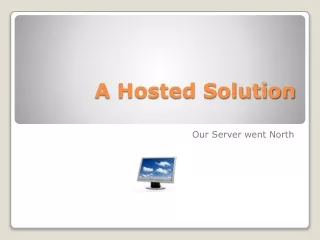
The Difference Between Hosted and a Self-Hosted Server_
And finally, If youu2019re looking for a way to bring down your IT expenses, you should certainly consider reading these on-premise chat points. <br>

The Difference Between Hosted and a Self-Hosted Server_
E N D
Presentation Transcript
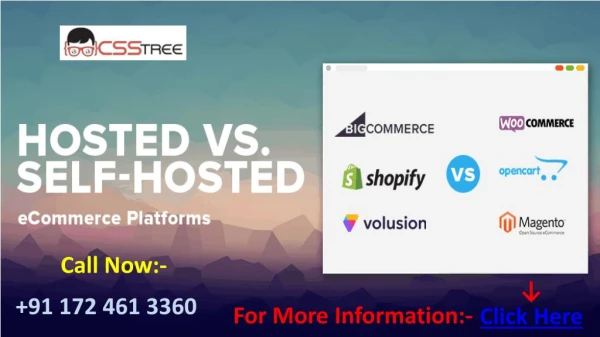
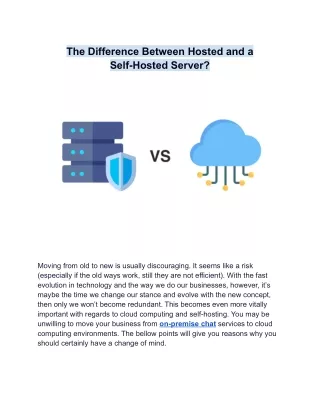
The Difference Between Hosted and a Self-Hosted Server? Moving from old to new is usually discouraging. It seems like a risk (especially if the old ways work, still they are not efficient). With the fast evolution in technology and the way we do our businesses, however, it’s maybe the time we change our stance and evolve with the new concept, then only we won’t become redundant. This becomes even more vitally important with regards to cloud computing and self-hosting. You may be unwilling to move your business from on-premise chat services to cloud computing environments. The bellow points will give you reasons why you should certainly have a change of mind.
Software: The maximum of systems nowadays uses only one form of web-based application. Consequently, self-hosted servers need to use an internet server in order for data on it to be accessed by a user or a third party. This increases the load then external systems carry and needs a more complex internal network. Cloud computing servers however have this infrastructural backbone already in place (even for SaaS and DaaS applications), thus it amazingly reduces the external support the systems require and what their internal network needs. Security: Cloud computing systems are significantly better secured than on-premise services. This reveals the fact that cloud computing systems use nix-based systems (Unix or Linux) which are less vulnerable to virus attacks than old model computer networks. Conclusion: And finally, If you’re looking for a way to bring down your IT expenses, you should certainly consider these above points.