
SlideServe
Menu
Préférences
© SlideServe · v2026

What does this cartogram represent?

varuna avatar
17 diapositives · 346 Views · Aug 22, 2014

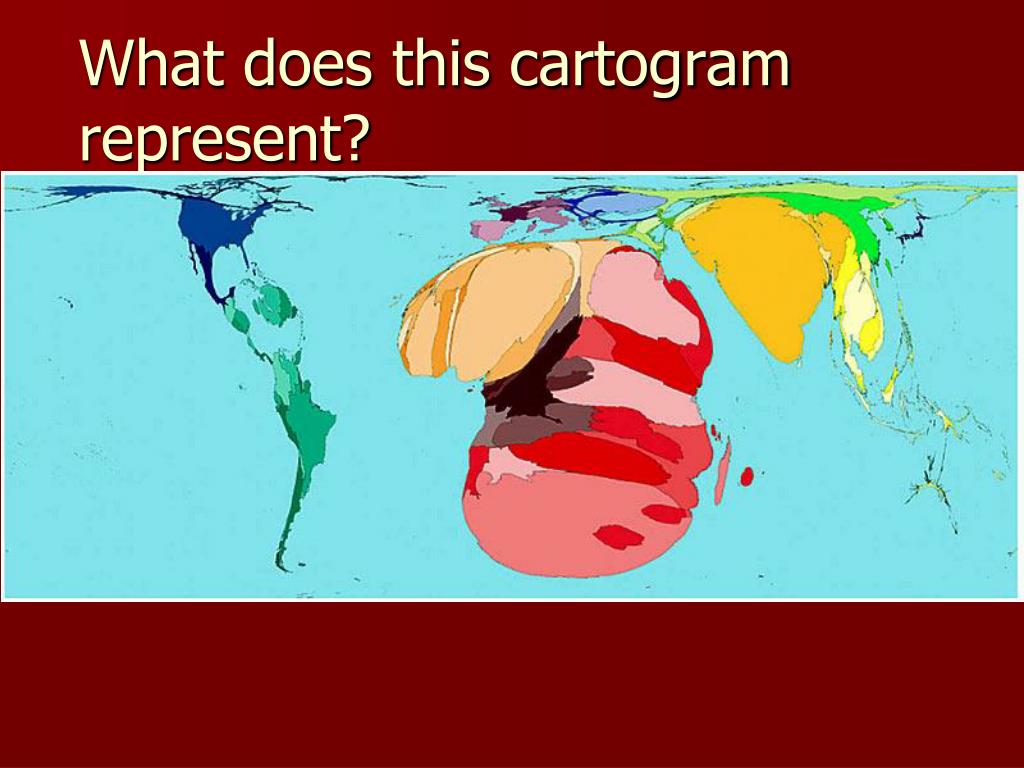
What does this cartogram represent?. Diseases in Sub-Saharan Africa. Approximately 12,000 people die every day from HIV/AIDS, tuberculosis and malaria. Nearly two-thirds of these people are living in sub-Saharan Africa. Sub-Saharan Africa accounts for 24% of the global disease burden
What does this cartogram represent? - slide 1
01 / 17What does this cartogram represent?
1 / 17

Télécharger la présentation

What does this cartogram represent?
Une image / un lien ci-dessous est fourni (tel quel) pour télécharger la présentation

Politique de téléchargement : le contenu du site vous est fourni TEL QUEL pour votre information et votre usage personnel ; il ne peut être vendu, concédé sous licence ni partagé sur d’autres sites sans l’accord de son auteur.Le contenu vous est fourni TEL QUEL, pour votre information et votre usage personnel uniquement. Téléchargez la présentation en cliquant sur ce lien. Lors du téléchargement, si vous ne parvenez pas à télécharger une présentation, l’éditeur a peut-être supprimé le fichier de son serveur.Pendant le téléchargement, si vous ne parvenez pas à obtenir une présentation, le fichier a peut-être été supprimé par l’éditeur.

F I N

Plus de contenu associé

Transcription de la présentation
  1. What does this cartogram represent?

  2. Diseases in Sub-Saharan Africa • Approximately 12,000 people die every day from HIV/AIDS, tuberculosis and malaria. • Nearly two-thirds of these people are living in sub-Saharan Africa. • Sub-Saharan Africa accounts for 24% of the global disease burden • and only 3% of the world's health workforce.

  3. Fighting malaria with bet nets • The Global Fund has distributed 122 million bed nets to protect families from malaria. • In Ethiopia because of these treated nets, malaria cases reported at clinics fell by 60% • Gambia experienced a 100% fall in malaria-related deaths in 2007 - meaning that no deaths from malaria were reported that year.

  4. AIDS in Africa • 22.5 million people living with HIV in sub-Saharan Africa • An estimated 5.6 million people were living with HIV and AIDS in South Africa in 2009, more than in any other country. • AIDS, Other Diseases Create Poverty Trap in Africa • What is the poverty trap were seeing in Africa?

  5. Congo Site of first HIV case in humans The macaque monkey is often believed to be the species that gave HIV to humans

  6. Sub-Saharan Africa • The overall life expectancy in sub-Saharan Africa has dropped bit by bit over the past 10 years, mostly because of the AIDS epidemic, the World Health Organization says. • Life expectancy dropped for female babies from 51.1 years to 46.3 years. For males, the level dropped from 47.3 years to 44.8 years. • Compare this to the life expectancy in the United States, 78 years old.

  7. Children and HIV - AIDS

  8. A religious healer in Lagos, Nigeria talks to women infected by HIV. Without access to medical treatment, many Africans put their faith in spiritual cures.

  9. A small boy battles AIDS at this make-shift clinic

  10. Celebrities & the One Campaign Bono, of the band U2, is one of the biggest supporters of the One Campaign and speaks around the world about world poverty and the AIDS pandemic.

  11. Celebrities Reach Out It is reported that Angelina Jolie gives 1/3 of her salary to fight issues such as AIDS in Africa. Angelina also chose to deliver her baby in the country of Namibia.

  12. When asked why she chose this country for the birth, she stated that it was to raise awareness for issues such as AIDS that have impacted the country, and others around it. • She put the first pictures of her baby up for auction, and donated the money to the country of Namibia. The photos sold for over 4 million dollars