Lessons Learned from the Vegetation Incentives Program: Transforming Ideas into Action
This document examines the Vegetation Incentives Program (VIP), which aims to incentivize landholders to protect and improve regrowth native vegetation in Queensland through competitive tenders. The initial stages of the VIP, including auction theory, highlights the process of balancing costs and ecological significance in selecting proposals. Despite high initial bids, valuable lessons have emerged regarding design time, community consultation, management tools, and the need for effective biodiversity assessment methods. This analysis provides insights for optimizing such environmental programs moving forward.

Lessons Learned from the Vegetation Incentives Program: Transforming Ideas into Action
E N D
Presentation Transcript
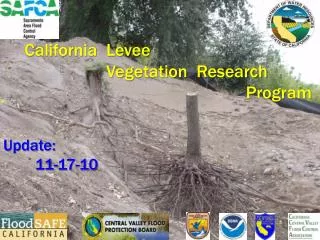
Lessons from the Vegetation Incentives Program Moving from conceptual idea to practical reality
OUTLINE • Introduction • Background theory • The VIP • Round 1 results • Discussion • Conclusion
INTRODUCTION • Competitive tenders very popular • Still relatively new • Much to be learnt • The Vegetation Incentives Program (VIP) a chance to study a state-wide application of the tool
BACKGROUND THEORY • Auction theory can help when purchasing environmental services off landholders • Procurement auction with government as buyer and landholders as sellers of environmental services • Targets information asymmetry in NRM • Landholders asked to submit a tender containing a management plan and a price for undertaking plan
A bid will be comprised of costs of undertaking the management plan, opportunity cost and information rent • Competition should reduce information rent • Winners chosen based on ecological significance of property and price, and sometimes on management actions • Usually an index set up to include these elements and compare bids
The VIP • Vegetation Management and Other Legislation Amendment Act 2004 will end broadscale clearing of remnant vegetation by end 2006 • $150 million financial assistance package accompanied the Vegetation Management Act • $12 million set aside to provide incentives for landholders to protect and improve the condition of high quality regrowth native vegetation
Greening Australia delivering VIP • All of QLD (except for Cape York) in 6 regions that are based on their biophysical characteristics • 5 year management agreement and covenant • Sealed bid auction chosen as allocation method (AKA competitive tender)
RESULTS ROUND ONE • 76 enquiries, 21 EoIs, 16 invited to continue, 8 full bids submitted • Very high bids • Far above commercial land value and estimated maximum opportunity cost • None selected for funding
LESSONS • Allow adequate design time (design, implementation and security) • Have community consultation • Choose management tools carefully • Plan the process from the start and involve any delivery organisation in planning • Incorporate a tool to compare biodiversity value