SlideServe
Menu
Préférences
© SlideServe · v2026

Positive Guidance and Discipline

Thomas avatar
20 diapositives · 1.3K Views · Sep 26, 2011

Positive Guidance and Discipline . What I Will Learn . A clearer understanding of discipline and appropriate limits. Styles of parenting and individual parenting style. Effective discipline techniques. A Definition of Discipline.
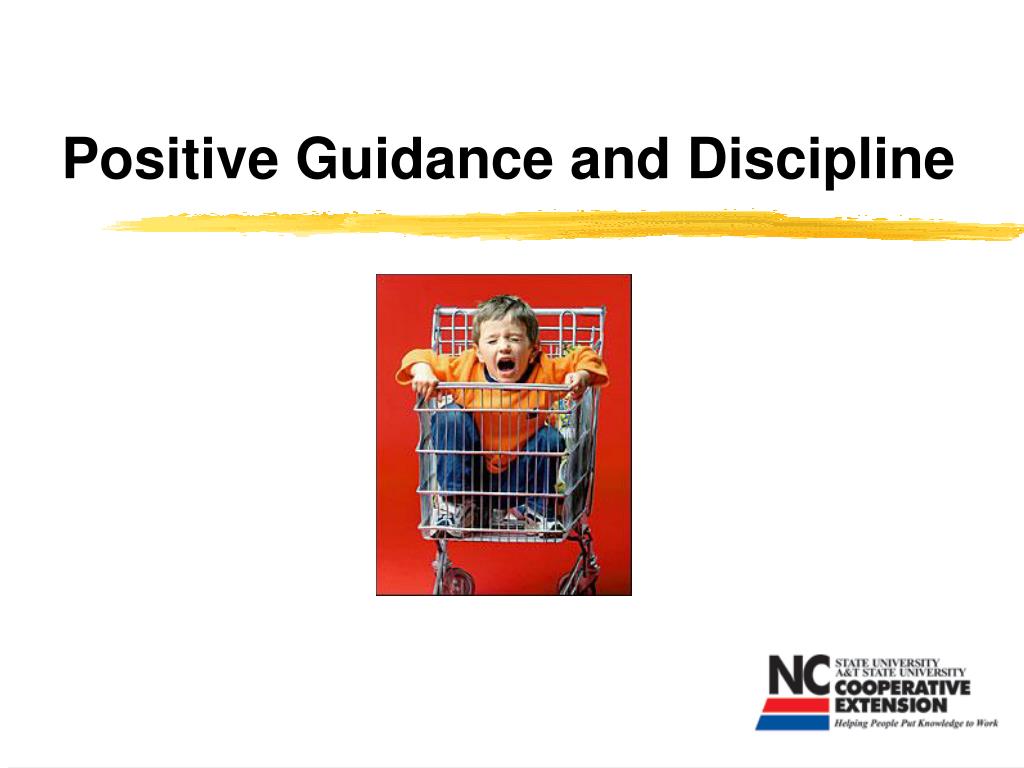
Positive Guidance and Discipline - slide 1
01 / 20Positive Guidance and Discipline
1 / 17

Télécharger la présentation

Positive Guidance and Discipline
Une image / un lien ci-dessous est fourni (tel quel) pour télécharger la présentation

Politique de téléchargement : le contenu du site vous est fourni TEL QUEL pour votre information et votre usage personnel ; il ne peut être vendu, concédé sous licence ni partagé sur d’autres sites sans l’accord de son auteur.Le contenu vous est fourni TEL QUEL, pour votre information et votre usage personnel uniquement. Téléchargez la présentation en cliquant sur ce lien. Lors du téléchargement, si vous ne parvenez pas à télécharger une présentation, l’éditeur a peut-être supprimé le fichier de son serveur.Pendant le téléchargement, si vous ne parvenez pas à obtenir une présentation, le fichier a peut-être été supprimé par l’éditeur.

F I N

Plus de contenu associé

Transcription de la présentation
  1. Positive Guidance and Discipline

  2. What I Will Learn • A clearer understanding of discipline and appropriate limits. • Styles of parenting and individual parenting style. • Effective discipline techniques.

  3. A Definition of Discipline • Discipline is a set of rules that govern a person's behavior and conduct. • The process of shaping and molding a child’s attitudes and behaviors over the years.

  4. Effective Discipline • Teaches • What to do • Problem-solving • Appropriate interactions • Self-discipline • Promotes growth • Enhances self concept • Helps children internalize

  5. A Definition of Punishment Punishment defined as imposing external controls by force on children to change their behavior.

  6. Types of Punishment • Inflicting pain • Imposing suffering • Enforcing unrelated penalties • Personal or emotional attacks

  7. Why Punish ? • The misbehavior often stops immediately • Children often show remorse during punishment • The parent gets to blow off steam • The parent feels in control • The parent hasn't let the children "get away with it" • The parent was raised that way

  8. Which Parenting Style Are You?

  9. Strict • Demands continuously • Punishes harshly • Values obedience • Discourages independence and individuality • Exercises physical punishment • Resorts to yelling and threatening • Does not allow reasonable choices to the child

  10. The Child Raised in a Strict Home • May lack spontaneity, curiosity and creativity • Often have limited independence and assertiveness • Don’t learn how to decide for themselves • Not sure how to behave and depend instead on others for their sense of control • May have low self-esteem • May be aggressive and defiant

  11. Permissive • Sets no guidelines • Asserts no authority • Remains distant • Remains uninvolved • Uses excuses for not spending quality time with child • Gives the child too much • Low on making demands • Have little structure • Parent who is substance abuser or immature

  12. The Child Raised in a Permissive Home • Learns little self-control • Immature • May be aggressive at home • May behave irresponsibly • Low self-esteem • Delayed emotional development • Little ability to handle frustrations • School skippers • Turn to Drugs • May Break Law in their search for attention

  13. Moderate • Sets reasonable standards • Has reasonable expectations • Encourages independence and individuality • Enforces rules firmly and consistently • Allows choices • Builds a more democratic relationship • Recognizes individual rights

  14. The Child Raised in a Moderate/Flexible Home • Responsible • Independent • High self-esteem and confidence • Better able to control their aggression

  15. Ages and Stages of Children • understand your child's major job at different ages. • not expect too much from your child too soon (like expecting a three-year old to tie his shoes) • prevent serious problems • provide safe ways for your child to do her job and be ready to move on to the next stage. Knowing Ages and Stages Helps you

  16. Reasons Children Misbehave • Attention • Power • Revenge • Inadequacy

  17. Steps in Positive Discipline • Ignore minor, irritating behavior • Praise and reward positive behavior • Be specific with praise • Work with the child to set basic rules • Decide together what consequences will result from breaking the rules • Use consequences consistently and calmly when rules are broken

  18. Anticipate trouble Give gentle reminders early Offer choices Overlook small annoyances Discipline Techniques

  19. Fix-up Ignore Be Firm Stay in control Separation Behavior management Redirection Praise Discipline Techniques

  20. What is it they really need from you? I tried to teach my child with books He only gave me puzzled looks I tried to teach my child with words They passed him by often unheard Despairingly I turned aside "How shall I teach this child?" I cried Into my hand, he put the key "Come, he said, play with me."