Download
1 / 15
150 likes | 269 Vues
In the design phase of a facility, fire protection requirements are crucial in site planning, including water supply, traffic conditions, and department access. Designers must ensure adequate water supply and pressure for fire safety systems. Electrical systems must be considered to prevent fire hazards, influenced by human errors, lack of maintenance, and specific hazard classifications (Classes I-III). Compliance with codes such as NFPA and OSHA standards is essential for the safety of electrical installations and equipment in hazardous locations.

E N D
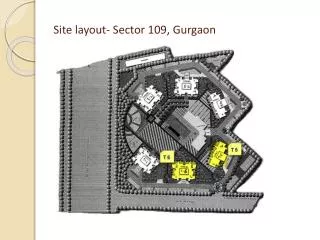
Site Planning and Layout • In the design phase of a facility, fire protection requirements are considered in the site layout • Water supply, traffic and transportation conditions, fire department access, and building exposures
Water Supply and Use • Building designer should anticipate the needs of both the fire department and automatic extinguishing systems • Provide an adequate supply of water at an adequate residual pressure. • Cities may not be able to supply a sufficient amount of water at required pressures to every part of the city • May need to be boosted by pumps located on fire department apparatus or the buildings • Water pressure for high rise buildings
Traffic and Transportation • Time • Traffic conditions • Access to buildings • Fire Department Access • Exterior accessibility - fire department apparatus from all sides
Exposure From Other Buildings • External fire hazards to neighboring structures • Radiation and convection • Factors Influencing Severity of Exposure • Temperature and duration • Exposing Fire • Type of construction of exterior walls and roofs • Width of exposing fire • Height of exposing fire • Percent of openings in exposing wall area • Exposed Building • Type of construction of exterior walls and roofs • Orientation and surface area of exposed exterior walls • Percent of openings in exterior wall area • Protection of openings
Exposure Protection • Reference on Exposure Protection: • NFPA 80A, Recommended Practice for Protection of Buildings from Exterior Fire Exposures
Building Electrical Systems • As part of the building design, consideration must be taken with regards to electrical systems and equipment • Number of structure fires per year due to electrical equipment: • Electrical Distribution Equipment: 40,350 • Appliance or Tool: 11,110 • Heating Equipment: 5,830 • Cooking Equipment: 5,210 • Air-Conditioning or Refrigeration Equipment: 3,890
Sources for Fires • Human Errors That Contribute to Fires • Lack of Maintenance • Improper Use • Carelessness or Oversight • Electrical Arcing • Electrical Heating
Electrical Safeguards • Grounding • Guarding • Over current Protection • Ground Fault Circuit Interrupters
NEC Hazard Classifications • Class I: Flammable Gases & Vapors • Division 1 • Division 2 • Class II: Combustible Dusts • Division 1 • Division 2 • Class III: Ignitable Fibers • Division 1 • Division 2
Hazard Classifications • How are the hazard classifications used in industry? • How do “explosion proof wiring and electrical components work? • How would I select electrical equipment that is planned for use in a hazardous location?
Codes and Standards • NFPA 70: National Electrical Code • OSHA Standards • State and local electrical safety/building codes • Chicago Electrical Code • Alaska Electrical Code • ANSI/IEEE: National Electrical Safety Code • U.S. electrical industry and communications utility field
National Electrical Code Format • Chapter 1 General • Article 100 — Definitions • Article 110 — Requirements for Electrical Installations • Chapter 2 Wiring and Protection • Articles 200 – 299 • Chapter 3 Wiring Methods • Articles 300 – 399 • Chapter 4 Equipment for General Use • Articles 400 – 499 • Chapter 5 Special Occupancies • Articles 500 – 599 • Chapter 6 Special Equipment • Articles 600 – 699 • Chapter 7 Special Conditions • Articles 700 – 799 • Chapter 8 Communications Systems • Articles 800 – 899 • Chapter 9 Tables
OSHA Electrical Safety Standards • 1910 Subpart S: Electrical • 1910.301 - Introduction. • 1910.302 - Electric utilization systems. • 1910.303 - General. • 1910.304 - Wiring design and protection. • 1910.305 - Wiring methods, components, and equipment for general use. • 1910.306 - Specific purpose equipment and installations. • 1910.307 - Hazardous (classified) locations. • 1910.308 - Special systems. • 1910.399 - Definitions applicable to this subpart. • Subpart S Appendix A - Reference Documents
OSHA Electrical Standards • 1910.302(a)Scope • OSHA standards under Subpart S cover electrical installations and utilization equipment installed or used within or on buildings, structures, and other premises, including: • Yards; • Carnivals; • Parking and other lots; • Mobile homes; • Recreational vehicles; • Industrial substations; • Conductors that connect the installations to a supply of electricity; and • Other outside conductors on the premises.
OSHA Electrical Standards • 1910.302(b)Extent of application • Certain standards apply to certain applications based upon when they were designed and/or installed