Exploring Consumer Behavior Towards Counterfeit Rolex Watches: The Influence of Brand Image and Knowledge
This study investigates the factors influencing consumer purchase behavior of counterfeit products, focusing on Rolex watches in Glasgow, UK. Utilizing a comprehensive survey of 321 participants in supermarkets, the research employs gaze and touch methods along with a structured questionnaire to collect data over 14 days. It analyzes the direct and indirect effects of brand image, product involvement, and consumer knowledge on purchase intentions. The findings highlight the importance of brand perception in counterfeiting and consumer choices.


Exploring Consumer Behavior Towards Counterfeit Rolex Watches: The Influence of Brand Image and Knowledge
E N D
Presentation Transcript
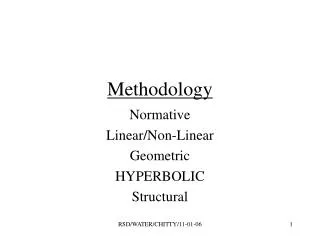
The role of brand image, productinvolvement, and knowledge inexplaining consumer purchasebehavior of counterfeitsDirect and indirect effects
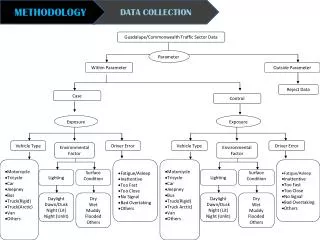
SETTING • Brand Selection-investigate Rolex watch • Conduct the study in Glasgow, UK • Survey data from 321 consumers • Randomly choose supermarkets and 5 gave permission. 2 relative small 2 medium sized store
DATA COLLECTION • Using the questionnaire • Used gaze and touch method (recommended by previous researchers) which are used the chocolates
DATA ANALYSIS • First author and 8 trained fieldworkers collected the data at the supermarkets entrances • The researcher invited every 10th shopper • The research proceeded over 14 day period included weekends and weekdays to avoid respondent bias
STATISTICAL INSTRUMENT • All involved constructs were measured using five-point Likert scale (1= strongly disagree, 5= strongly agree)
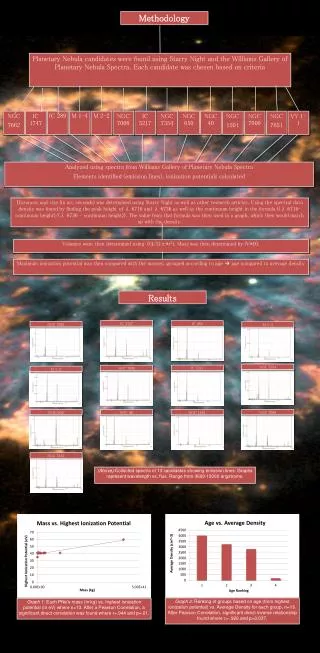
Counterfeits and branded products: effects ofcounterfeit ownership
SETTING • Used consumer in Glasgow, UK as the sample • The sample consisted of 430 shoppers • 181 males, 140 females
DATA COLLECTION • Using questionnaire • Using mail • Using observation
DATA ANALYSIS • The authors give the research questionnaire to the shopper at the entrance of the supermarkets • The other author contacted 20 consumers by mail • They do the survey at the supermarkets
EVALUATION OF SEARCH, EXPERIENCE AND CREDENCE ATTRIBUTES: ROLE OF BRAND NAME AND PRODUCT TRIAL
SETTING • Subject recruited from introductory marketing classes at an east coast university • Have 360 participants
DATA COLLECTION • Conduct experiment with a two-by-two design • First factor was label condition • Second factor was time of evaluation • Collect by survey • Constructed the pretest questionnaire
DATA ANALYSIS • Study was run during regular class time and the extra credit were given to who were participated in this experiment • The subjects were divide into 2 group • 180-evaluate fruit cocktail category • 180-facial tissue category • T student have to filled 2 questionnaire which are pre-trial add post-trial
STATISTICAL INSTRUMENT • Pre- and post-measure of attitude were measured with multi-item scale • Consist of five seven-point semantic differential scale