Role of USP2a in Chemo-Resistance of LNCaP Prostate Cancer Cells
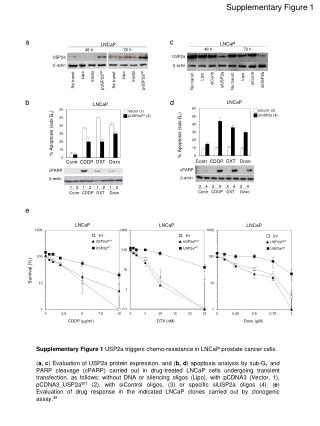
This study investigates the role of USP2a in conferring chemo-resistance in LNCaP prostate cancer cells. We evaluated USP2a protein expression and analyzed apoptosis through sub-G1 analysis and PARP cleavage (cPARP) after treating cells with various chemotherapeutics (Doxorubicin, Docetaxel, and Cisplatin). The effects of transient transfection with pCDNA3 (control), USP2aWT, or silencing oligos (siControl and siUSP2a) were assessed. Additionally, clonogenic assays were performed to evaluate drug responses in different LNCaP clones, elucidating the mechanism of resistance linked to USP2a.

Role of USP2a in Chemo-Resistance of LNCaP Prostate Cancer Cells
E N D
Presentation Transcript
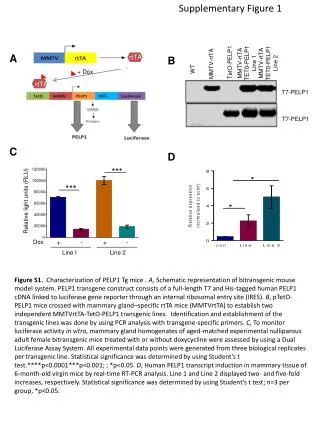
Supplementary Figure 1 siContr (3) Vector (1) pUSP2aWT (2) siUSP2a (4) USP2a USP2a -actin -actin DXT DXT Doxo Doxo Contr CDDP Contr CDDP a c LNCaP b d LNCaP LNCaP EV EV EV USP2aMUT USP2aMUT USP2aMUT USP2aWT USP2aWT USP2aWT % Apoptosis (sub-G1) % Apoptosis (sub-G1) cPARP cPARP -actin -actin e LNCaP LNCaP LNCaP LNCaP 72 h 48 h Survival (%) 72 h 48 h Lipo Lipo Vector Vector No transf. No transf. pUSP2aWT pUSP2aWT Lipo Lipo siContr siContr siUSP2a siUSP2a No transf. No transf. CDDP (µg/ml) DTX (nM) Doxo (µM) Supplementary Figure 1 USP2a triggers chemo-resistance in LNCaP prostate cancer cells. (a, c) Evaluation of USP2a protein expression, and (b, d) apoptosis analysis by sub-G1 and PARP cleavage (cPARP) carried out in drug-treated LNCaP cells undergoing transient transfection, as follows: without DNA or silencing oligos (Lipo), with pCDNA3 (Vector, 1), pCDNA3_USP2aWT (2), with siControl oligos, (3) or specific siUSP2a oligos (4). (e) Evaluation of drug response in the indicated LNCaP clones carried out by clonogenic assay.39 3 4 3 4 3 4 3 4 1 2 1 2 1 2 1 2 DXT Doxo DXT Doxo Contr CDDP Contr CDDP