

SlideServe
Menu
Préférences
© SlideServe · v2026

Kingdom Plantae

ion avatar
26 diapositives · 3K Views · Jul 14, 2014

Kingdom Plantae. AP Biology. Evolutionary History. Chlorophytes gave rise to bryophytes. Bryophytes gave rise to seedless vascular plants. Seedless vascular plants gave rise to gymnosperms. Gymnosperms gave rise to angiosperms. Evolutionary History. Major Adaptations .
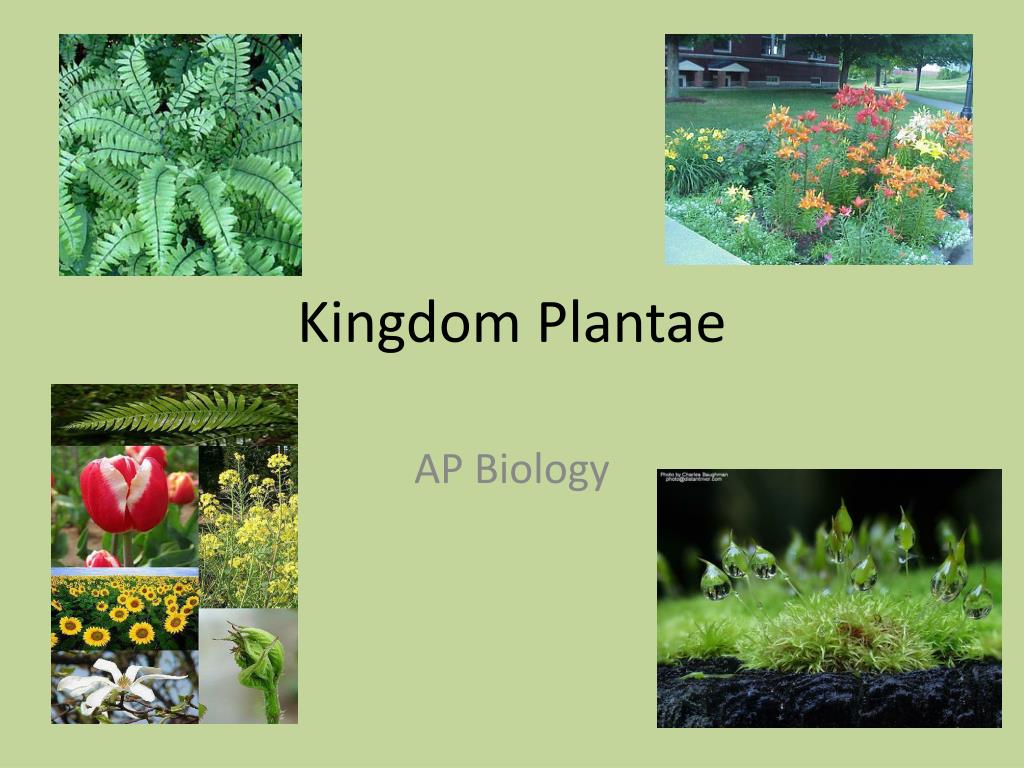
Kingdom Plantae - slide 1
01 / 26Kingdom Plantae
1 / 17

Télécharger la présentation

Kingdom Plantae
Une image / un lien ci-dessous est fourni (tel quel) pour télécharger la présentation

Politique de téléchargement : le contenu du site vous est fourni TEL QUEL pour votre information et votre usage personnel ; il ne peut être vendu, concédé sous licence ni partagé sur d’autres sites sans l’accord de son auteur.Le contenu vous est fourni TEL QUEL, pour votre information et votre usage personnel uniquement. Téléchargez la présentation en cliquant sur ce lien. Lors du téléchargement, si vous ne parvenez pas à télécharger une présentation, l’éditeur a peut-être supprimé le fichier de son serveur.Pendant le téléchargement, si vous ne parvenez pas à obtenir une présentation, le fichier a peut-être été supprimé par l’éditeur.

F I N

Plus de contenu associé

Transcription de la présentation
  1. Kingdom Plantae AP Biology

  2. Evolutionary History • Chlorophytes gave rise to bryophytes. • Bryophytes gave rise to seedless vascular plants. • Seedless vascular plants gave rise to gymnosperms. • Gymnosperms gave rise to angiosperms.

  3. Evolutionary History

  4. Major Adaptations • The following adaptations made plants successful on land: • Development of a cuticle • Development of gametangia • Development of vascular tissue • Development of seeds • Development of flowers

  5. What is a gametangia? • A reproductive structure found in some plants in which gametes are formed. • This structure keeps the gametes from drying out. • Types • Anteridium – produces flagellated sperm • Archegonium – produces one egg • Fertilization takes place within the Archegonium.

  6. Gametangia

  7. What is a cuticle? • A cuticle is a waxy covering that prevents water loss. • This made survival on land possible.

  8. What is vascular tissue? • Vascular tissue is made it possible for plants to live on land and away from damp moist areas. • First seen in the seedless vascular plants. • Consists of two types of tissue • Xylem – transports water throughout the plant • Phloem- transports sugar and nutrients to various plant structures

  9. Vascular Tissue

  10. What are seeds? • A package that contains an embryo along with a store of food for the embryo.

  11. What are flowers? • A flower is the reproductive structure of angiosperms.

  12. Major Evolutionary Trends Seen in Plants • Dominant gametophyte generation -> dominant sporophyte generation • Nonvascular -> vascular • Seedless -> seeds • Motile sperm -> pollen • Naked seeds -> seeds in flowers

  13. Major Plant Groups • The major plant groups are: • Bryophytes • Seedless Vascular Plants • Gymnosperms • Angiosperms

  14. Bryophytes • First land plants to evolve from chlorophytes. • Includes mosses, liverworts and hornworts. • Possess two evolutionary adaptations: • A waxy cuticle • Packaging of gametes in gametangia • Lack vascular tissue  nonvascular plants • Must live in damp areas

  15. Mosses • Haploid gametophyte is the dominant generation. • Moss sporophyte is tiny, short-lived and dependent on the gametophyte generation for nutrition.

  16. Liverworts • Can reproduce asexually in addition to using alternation of generations.

  17. Seedless Vascular Plants Two major evolutionary changes occurred that allowed the transition from bryophytes: • Switch from gametophyte to sporophyte as dominant generation. • Development of branched sporophytes • First plants to possess vascular tissue. • Includes ferns

  18. Homosporous vs. Heterosporous • Homosporous plants produce a single spore type that gives rise to bisexual gametophytes. • Heterosporous plants produce two types of spores. • Microspores – yield male gametophytes • Megaspores – yield female gametophytes

  19. Ferns • Homosporous plants • Sporophyte is the dominant generation • Spores found on the underside of fern leaves.

  20. Ferns

  21. Gymnosperms • Major evolutionary changes that occurred between seedless vascular plants and gymnosperms: • Further decline in the prominence of the gametophyte generation in the life cycle • The birth of pollination • The evolution of the seed

  22. Gymnosperms • Heterosporous • Most utilize pollen as a means to transport sperm cells • Gymnosperm literally means “naked seed”. • Includes conifers. • Reproductive structure is a cone • Survive well in dry conditions • Keep leaves year round

  23. Gymnosperms

  24. Angiosperms • Angiosperm literally means “vesseled seed” • Two major classes • Monocots • Dicots • Xylem has been adapted from that of a gymnosperm. • Gymnosperm xylem made of tracheid cells • Angiosperm xylem made of vessel elements

  25. Angiosperms • Utilize the flower for reproduction.

  26. Flower Important Parts of a Flower • Stamen – male structure • Anther – produces pollen • Filament – stalk that supports anther • Carpel – female structure • Stigma – sticky; receiver of pollen • Style – pathway leading to the ovary • Ovary – Contains the eggs; will ripen to become fruit • Petal – colorful portion of flower that attracts pollinators