SlideServe
Menu
Préférences
© SlideServe · v2026

Atmosphere

jelani-underwood avatar
29 diapositives · 637 Views · Nov 29, 2014

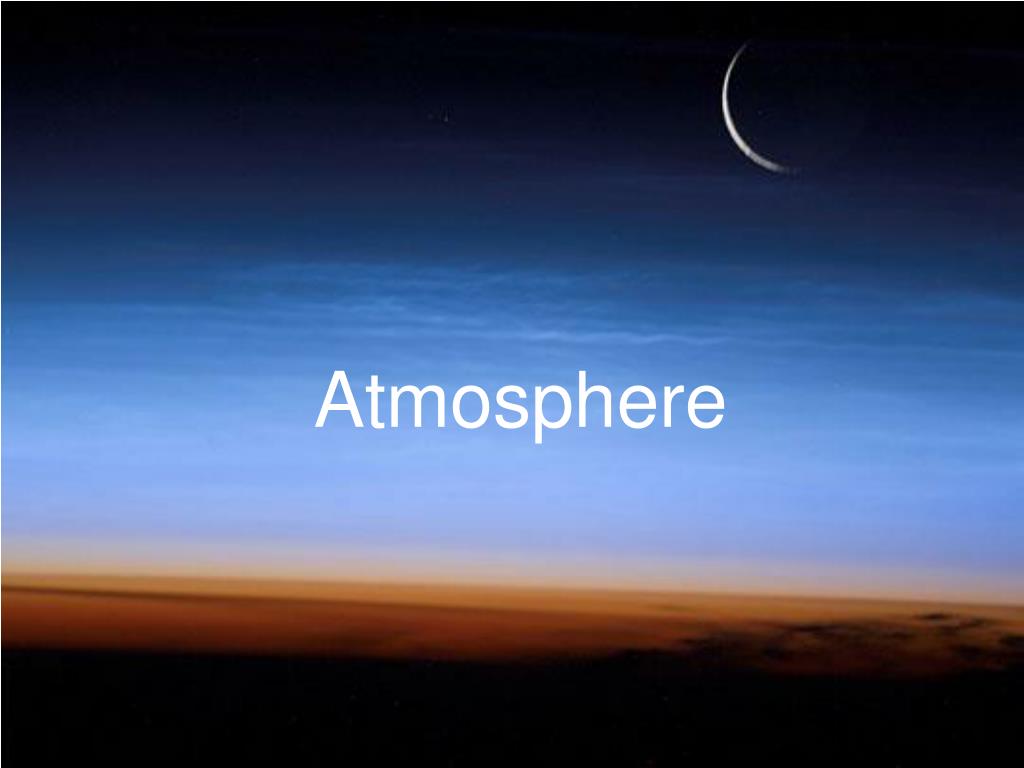
Atmosphere. What is the Atmosphere. Thin layer of air that regulates global temperature, and filters out dangerous solar radiation. Looks like a thin halo of blue light around the earth. Composition of the Atmosphere. 78% is nitrogen (N 2 ) 21% is oxygen (O 2 ) 1% are trace gasses.
Atmosphere - slide 1
01 / 29Atmosphere
1 / 17

Télécharger la présentation

Atmosphere
Une image / un lien ci-dessous est fourni (tel quel) pour télécharger la présentation

Politique de téléchargement : le contenu du site vous est fourni TEL QUEL pour votre information et votre usage personnel ; il ne peut être vendu, concédé sous licence ni partagé sur d’autres sites sans l’accord de son auteur.Le contenu vous est fourni TEL QUEL, pour votre information et votre usage personnel uniquement. Téléchargez la présentation en cliquant sur ce lien. Lors du téléchargement, si vous ne parvenez pas à télécharger une présentation, l’éditeur a peut-être supprimé le fichier de son serveur.Pendant le téléchargement, si vous ne parvenez pas à obtenir une présentation, le fichier a peut-être été supprimé par l’éditeur.

F I N

Plus de contenu associé

Transcription de la présentation
  1. Atmosphere

  2. What is the Atmosphere • Thin layer of air that regulates global temperature, and filters out dangerous solar radiation. • Looks like a thin halo of blue light around the earth.

  3. Composition of the Atmosphere • 78% is nitrogen (N2) • 21% is oxygen (O2) • 1% are trace gasses

  4. The Layers from Space to Earth • Thermosphere • Ionosphere • Mesosphere • Stratosphere • Troposphere

  5. TIM ST. • An easy way to remember the layers is to use the mnemonic device TIM St. • T hermo sphere • I ono sphere • M eso sphere • S trato sphere • T ropo sphere

  6. Troposphere • Almost all weather occurs in this layer • Most clouds, wind, rain, snow are in this layer • As you go higher in the Troposphere it gets cooler.

  7. Temperature Inversions • Hot air is usually closer to the earth because the sun heats the surface of the earth. • Temperature inversions- when cool air gets trapped beneath hot air. • This happens in Los Angeles and causes smog = smoke (from cars) + fog (moisture in air)

  8. Stratosphere • The layer of the atmosphere that extends upward from the troposphere to an altitude of 50 km. • Contains the ozone layer O3

  9. (Found in the Stratosphere) Ozone • Ozone comes from the greek ozein “to smell” • Ionizers make ozone from oxygen O2 Oxygen O3 Ozone

  10. Naturally the Sun’s Rays make ozone from oxygen O2 Oxygen O3 Ozone

  11. Depletion of the Ozone Layer • Occurring over Antarctica

  12. Ozone Depletion • Caused by some chemicals such as CFC’s

  13. Who cares if the ozone is thinning? • Ozone provides protection from solar radiation which can cause skin cancers.

  14. Mesosphere • The mesosphere is 50-80 km • This is the coldest layer of the atmosphere -80°C • Noctilucent or "night-shining" clouds (NLCs). Occur in the mesosphere

  15. Ionosphere • The area of the earths atmosphere where electrically charged IONS are found • Used in radio communications • Closer to earth during the day • Farther from the earth at night

  16. Auroras occur in the Ionosphere

  17. Excited ions release light in the polar regions of the globe

  18. Thermosphere • The hottest layer of the atmosphere • Thermo = heat • This is where meteorites can burn up upon entry into the atmosphere.

  19. The Greenhouse Effect

  20. The causes of the greenhouse effect • The burning of fossil fuels to produce carbon dioxide gas • Any process that releases carbon dioxide into the atmosphere

  21. Atmosphere Poster • Label the Layers of the atmosphere • Elevations of the layers • Temperatures of the layers • 2 interesting facts about the layers • Draw the two interesting facts in the appropriate layers