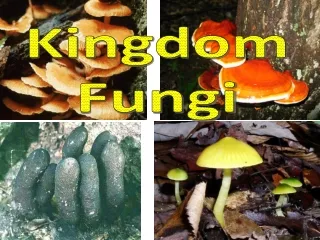
Fungi kingdom
Fungi are a diverse group of organisms that can be either multicellular or unicellular, such as yeast. They play crucial roles as heterotrophs and as natural resource recyclers, reproducing both sexually and asexually. Among fungi, three primary types include Zygomycetes, Basidiomycetes, and Ascomycetes. Notably, certain fungi produce beta-lactam antibiotics, among the most common antibiotics used today, including penicillins, cephalosporins, and carbapenems. Understanding their characteristics and functions is vital for advancing pharmaceutical developments and medical treatments.


Fungi kingdom
E N D
Presentation Transcript
Fungi kingdom By: Greta Flores, Alessandra Meinardo and FernandaPereyra 20/06
Characteristics: • They are multicellular, and one group yeast unicellular. • They are heterotrophs. • They reproduce sexually and asexually. • There are three kinds of them. • They are natural resource recyclers.
Beta – Lactams • They are the most commonly antibiotics • They include: Penicillins Cephalosporins Cephamycins Carbapenems Monobactams Beta-lactamaseinhibitors
Function • One of the functions of penicillin is in the third stage of the peptidoglycansinthesis. • Which involve a series of enzymes called Penicillin Binding - Proteins that are used in different aspects of the cell wall synthesis.