
Biotechnology
E N D
Presentation Transcript
Biotechnology A2 Product Design: Graphics
Biotechnology • Altering genes in woods • Reduction of lignin • Biopol
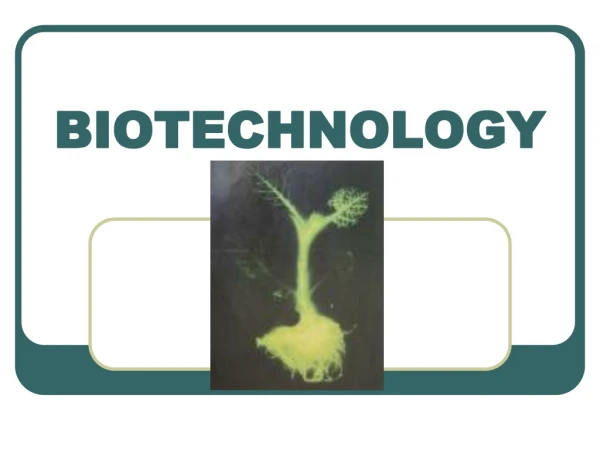
Altering Genes in Wood • Relates to wood for paper and board • Greater demands each year • Genetically modified trees (GM) • Artificially inserting a gene from one plant into another • In the UK GM Elm trees (resistant to Dutch Elm Disease)
Reduction of lignin • Plant cell wall material is composed of three important constituents: cellulose, lignin, and hemicellulose. • Lignin is particularly difficult to biodegrade
Altering Genes in Wood Advantages • Quicker growing trees • Resistant to disease and insect attack • Reduced strength of lignin fibers • Reduces the amount of chemicals needed in paper making • Increased growth rate Disadvantages • Long term side effects unknown • ‘escape’ of modified genes into natural ecosystems • Organisms adapt to modified trait • Rapid growth, more demand on the environment (water, nutrients etc)
Biopol • Brand name for the first biodegradable polymer, polyhydroxybutrate (PHB) • Used in the packaging industry (blow moulded bottles, plastic wrap, coating for paper and board) • Water resistant • Carbohydrates, sugar & extracted polymer (renewable raw materials) • Compostable
Biodegradable Polymers Advantages • Normally fully degradable • Reduction of time in landfill Disadvantages • Damages recycled plastic when mixed • More expensive than other polymers • More energy is needed to produce