Protein Synthesis
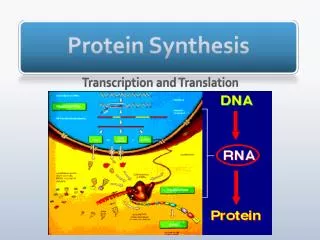
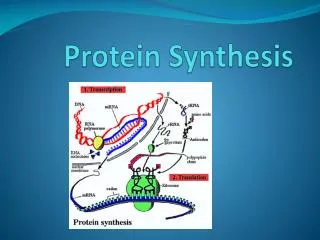
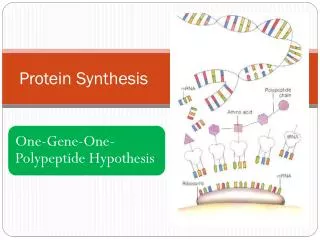
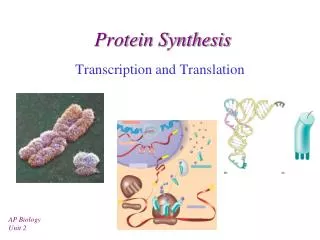
This article outlines the two main steps of protein synthesis: transcription and translation. In transcription, DNA unzips, allowing RNA to create a complementary copy before the DNA re-zips. The resulting messenger RNA (mRNA) then travels to the cytoplasm and binds to ribosomes. Here, transfer RNA (tRNA) brings amino acids to the ribosome, matching their nitrogen bases to the mRNA, forming a polypeptide chain. This process is crucial for protein formation, as it enables the synthesis of proteins from genetic instructions.

Protein Synthesis
E N D
Presentation Transcript
Protein Synthesis By Arden Braund and Riley Van-Houzen
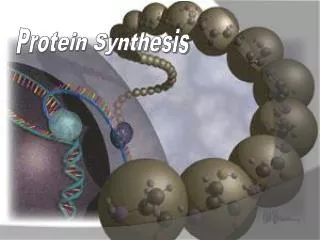
The first step to making a protein is transcription. First: DNA unzips and RNA comes in and makes a copy of the DNA. Then the RNA leaves and the DNA re-zips itself together again. transcription
TRANSCRIPTION KEY
The 2nd step in making a protein is Translation. The previous RNA is Messenger RNA or mRNA, this travels to the cytoplasm to the ribosome's. Here transfer RNA or tRNA, a group of three nitrogen bases holding a amino acid matches up to their complimentary base and leaves leaving behind the amino acid, and a another group of nitrogen bases come and the process is repeated. TRANSLATION