Essential Strategies for Conflict Resolution in Wrestling Officiating
210 likes | 334 Vues
This guide emphasizes the critical role of effective conflict resolution for wrestling officials. It helps identify and understand different types of conflicts experienced in officiating, including pre-existing and spontaneous reactions. The document outlines essential communication skills, the importance of listening, flexibility, and collaboration to defuse disputes, both informally and formally. It also recommends maintaining composure, establishing comfort zones, and knowing when to adapt decisions to ensure a smooth contest experience. Proper communication and understanding are vital in fostering respect and cooperation.


Essential Strategies for Conflict Resolution in Wrestling Officiating
E N D
Presentation Transcript
CONFLICT RESOLUTIONfor Officials Courtesy of: CIF WRESTLING
KEYS TO CONFLICT RESOLTUION • Recognize the conflict • Defusing the time bomb: how is it done? • Sharpen your skills: what skills are needed?
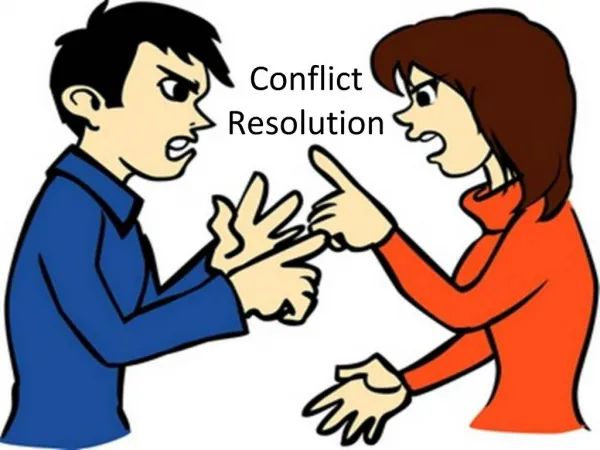
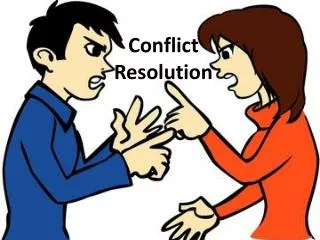
WHAT IS CONFLICT? • Direct opposition, a clash or disagreement between people • Conflicts are experienced at home, work, social recreation and officiating a contest • As long a you have people dealing with people, making decisions or meeting deadlines, you will have conflict
TYPES OF CONFLICTS • Pre-existing (carry over from previous contest) • Spontaneous Reaction – reaction in a critical time in the contest • Cumulative Response – series of call or bad breaks that do not favor one team
RESOLVING CONFLICT • For years people in authority just told other what to do • Now, people want to be heard and have a say in what is happening • Therefore, communication becomes very important in resolving conflict
RESOLVING CONFLICT • Approach the conflict collaboratively; work with coaches and/or your partner(s) • Simple communication is at the heart of conflict resolution • With every conflict – it’s a matter of listening and seeking to understand the problem • Must be done within the framework of the contest
LEVELS OF CONFLICT • INFORMAL: More often handled quickly, less noticeable by others; quick comments to coaches and participants • FORMAL: Needs more attention; more skills necessary to resolve or understand what the coach, player or official has heard or seen
KEY COMPONENTS IN RESOLVING CONFLICT • GREAT listening skills • Flexibility • Willingness to change • Agree to disagree
LISTENING SKILLS • Maintain eye contact • Do not interrupt; let them finish • Good posture – maintain a non-threatening position • Mentally rehearse situations in which you might become emotional
FLEXIBILITY • Be able to adjust to any situation • Do not try to handled the situation alone; use your partner(s) • Understand you are not going to please everyone; agree to disagree; this is a two way street, but the official has the final say
WILLINGNESS TO CHANGE • Get the call right; use your partner • If change is necessary, make the change • Support your partner(s) – you are a TEAM • Understand the psychology of coaches and what motivates them; communicate with them; know your coach
DEFUSING THE SITUATION INFORMAL CONFLICTS: • Normal contest situations will not be stopped • Use visual acknowledgement with coach or participants • Use direct eye contact or use a caution sign
INFORMAL CONFLICT (continued) • Use short verbal explanation • “I hear you, I will watch for that” • “I saw it differently than that” • Use humor only when appropriate; timing is of the utmost importance with humor • Most of all: know your audience
DEFUSING THE SITUATION FORMAL CONFLICT • Contest will temporarily be stopped • You will be directly confronted by the coach. You must evaluate the coach’s degree of intensity. Listen, be flexible, evaluate the situation and make change if necessary • Help your partner with positive information. Let your partner make the call
FORMAL CONFLICT (continued) • Defuse the situation. Do not abuse it; get everyone calmed down • Establish your comfort zone and avoid letting a coach into your zone of comfort • Do not lose your composure; this is inexcusable
FORMAL CONFLICT (continued) • Always display proper physical demeanor • Maintain good eye contact • Maintain proper posture • Listen rather than challenge • Give quick precise explanation and move forward
FORMAL CONFLICT (continued) • Close the situation as rapidly as possible • You could use the following statements: • “Coach, I saw it differently than that” • “We need to get back to the contest” • REMEMBER: Defuse rather than abuse
FORMAL CONFLICT (continued) • If conflict continues: • Issue one last formal warning • Administer a yellow card (soccer, volleyball, water polo) • If conflict continues: • Administer the appropriate penalty and restart the contest as soon as possible • Serve as a buffer for your partner
NECESSARY CHANGE • If the official is in error, make the necessary change • Explain to the coach and captain(s) of the team effected of the situation and the change • Get the contest started as quickly as possible
IN REVIEW • Keep one’s composure • Evaluate the conflict • Establish your comfort zone • You must have: • Good listening skills • Be flexible • Be willing to change if wrong • Use simple communication to keep a situation from escalating
IN REVIEW (continued) • Review concerns to see if change is necessary • Use your partner(s) as much as possible • Approach a problem collaboratively • Administer a penalty if necessary; get the contest started as soon as possible