The Unseen Struggles of Ballet: Artistry, Pressure, and the Cost of Perfection
Ballet is a beautiful art form that often masks a harsh reality. For dancers, the pursuit of excellence begins at a young age, transforming passion into an all-consuming occupation. The rigorous training demands excessive hours, leading to physical exhaustion and mental strain. Behind the elegance of pointed shoes and graceful pirouettes lie sacrifices: bleeding toes, bandaged limbs, and the heavy toll of societal pressures. With eating disorders prevalent in the ballet community, the quest for perfection comes at a sobering cost that challenges the very essence of this cherished art.


The Unseen Struggles of Ballet: Artistry, Pressure, and the Cost of Perfection
E N D
Presentation Transcript
Ballet Testing the bounds of the human body
Beginning A dream is born at a young age, and for some this dream eventually becomes reality. Dance becomes an art, an occupation, a passion, and a love for a dancer.
The Process • The reality of creating art in a dance form comes at a high price. • Excessive amount of hours are spent in practice makes dancers lose a lot of sleep and energy.
The process • When the pressure becomes too much to bear, a ballerina does not give up, but instead goes to extreme lengths to obtain her dream.
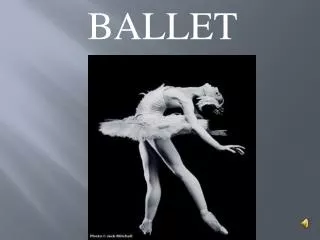
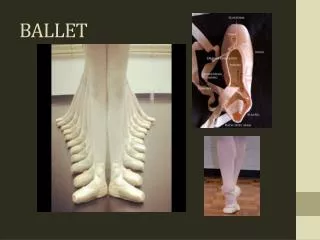
The process • Behind the perfectly pointed ballet shoes, lays bleeding toes and bandaged limbs.
The process • Behind the slender pirouetting bodies, lays years of high pressure, crippling expectations, and in many cases eating disorders.
THE PROCESS • Ballet is a highly competitve, and physically demanding profession. • Despite the increasing amounts of methods to prevent eating disorders in dance, eating disorders are still difficult to treat in ballet. • The average incidence of eating disorders in the white middle class is 1 in 100. • In classical ballet, it is 1 in 5.