The Influence and Trade of the Phoenician Civilization in the Mediterranean
40 likes | 168 Vues
The Phoenicians, located on the eastern shores of the Mediterranean, established powerful colonies along North Africa, thriving on trade and the production of valuable goods such as purple dye, cedar, and various textiles. Their mastery of the seas was bolstered by the strategic use of stories about sea monsters to deter competition. They also developed a simplified alphabet of 22 symbols, facilitating communication and trade across cultures. This innovative script played a significant role in their influence over Mediterranean civilizations and beyond.


The Influence and Trade of the Phoenician Civilization in the Mediterranean
E N D
Presentation Transcript
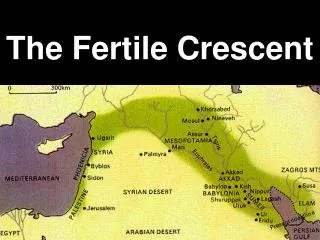
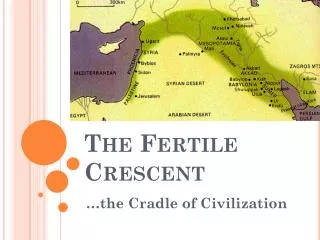
The Fertile Crescent Phoenician Sea Power Phoenicia was on the eastern shores of the Mediterranean, but its colonies lined much of North Africa. They profited from purple cloth created from snail dye, cedar, and trade. Their ships controlled the Mediterranean with the help of horror stories about sea monsters. MapMaster: Phoenician Colonies and Trade Routes Section 4: Mediterranean Civilizations The Phoenician Alphabet The Phoenicians developed an alphabet using 22 symbols to represent sounds. This alphabet was relatively easy to learn and was used by many people, not just scribes, which helped it spread to other lands. 1 of 3
The Fertile Crescent The Rise of the Israelites According to the Torah, the Israelites lived in Mesopotamia as shepherds and merchants. Abraham taught them monotheism and led them to settle in Canaan. After a famine, they fled to Egypt. After they were made slaves in Egypt, Moses led them to freedom in the Exodus. They returned to Canaan, but were later conquered first by Assyria and then by the Chaldean Babylonians, who exiled them. Section 4: Mediterranean Civilizations MapMaster: Canaan Section Reading Support Transparency 2 of 3
The Fertile Crescent: Section 4 Section Reading Support Transparency 3 of 3