Fall Synthesis
This comprehensive overview delves into the complexities of learning and development as dynamic processes shaped by both biology and environment. Highlighting the role of language as a pivotal tool for growth, the text emphasizes the significance of individual differences and multiple pathways in learning. It also examines the impact of trauma on development, the importance of emotional regulation, and the necessity of creating inclusive learning environments. Drawing on contemporary theories, this synthesis advocates for an integrated approach to education that fosters resilience and understanding.


Fall Synthesis
E N D
Presentation Transcript
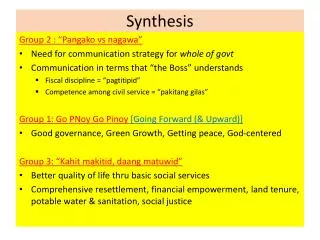
Fall Synthesis Suggested Themes and/or Take-aways
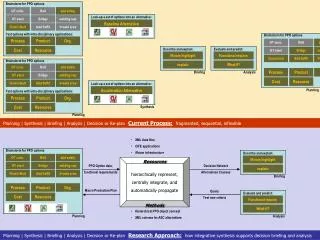
Mind • Foundations • Intelligence(s) as a complex construct, culturally constructed with a history of poor assessment • Learning & development are ongoing in the organism, which is embedded in an environment; Language is a key tool for learning and development • Current Theory & Knowledge • Learning & development are dynamic processes instead of a stage like progression; • Learning & development occur along multiple pathways with individual differences • Policy & Practice • Two areas where we see dynamic interaction between the developing organism and the environment are in severely traumatized individuals and in struggling readers.
Brain, Biology, & Behavior • Foundations • It’s not nature vs. nurture, but nature via nurture; interactions between biology & environment occur at multiple levels of analysis (gene-environment, child,-environment, etc.) • Affect matters…a lot! • Current Theory & Knowledge • Modularization & Neural Networks: the brain as an organ of distributed & integrated learning • Policy & Practice • Universal Design for Learning: remove barriers not content • Good Work
Education • Foundations • Brain? What’s the brain got to do with learning? (eek!) • Current Theory & Knowledge • Well, according to the OECD, researchers, and educators a lot! • Building bridges and paving pathways… • Policy & Practice • Executive Function & Early Childhood • Right Start & Number Sense • Research Schools & Ecologically Valid Assessment
Preview: Spring 2011 • Language & Literacy • Language & development • Multilingualism & MBE • The literate brain • Case Study: Four boys • Case Study: Four boys • Numeracy • Constructivism vs. Nativism • Core Concepts of Numeracy • Biology of Number & Dyscalculia • Educational Implications • Intervention: The Number Race • Emotion & Motivation • Classic Views • Emotional self-regulation and attachment • Stress • Stereotype threat • In the classroom • Conceptual Development • Domain specificity • Learning as conceptual change • Adult development • In practice • MBE & you