Anemia Prevalence in Early Pregnancy: Demographic and Laboratory Factors Impacting Outcomes
This cross-sectional study investigates the prevalence of anemia in the first and second trimesters of pregnancy, highlighting demographic and laboratory factors that may influence its occurrence. Findings show significant reductions in maternal hemoglobin concentrations by the second trimester, with a prevalence of anemia at 14.05% and 14.77% for the first and second trimesters, respectively. Key factors include maternal pre-pregnancy BMI and fasting blood sugar levels. The study underscores the need for education on nutrition and iron supplementation for at-risk women.

Anemia Prevalence in Early Pregnancy: Demographic and Laboratory Factors Impacting Outcomes
E N D
Presentation Transcript
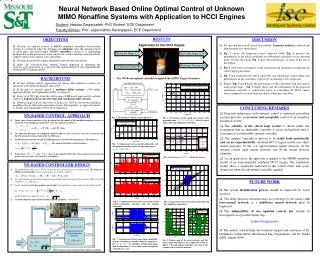
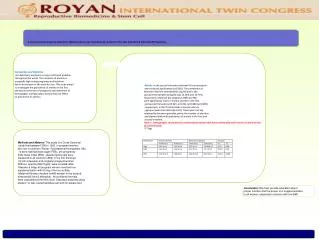
A Cross Sectional Study For Determine Effective Factors On Prevalence Of Anemia In The First And Second Trimester Of Pregnancy. Objectives Results Introduction and Objective: Iron deficiency anemia is a major nutritional problem throughout the world. The incidence of anemia is especially high during pregnancy and lactation due to an increase in the need for iron. This study aimed to investigate the prevalence of anemia in the first and second trimester of pregnancy and determine of demographic and laboratory factors that can effect on prevalence of anemia. Results: in the second trimester maternal Hb concentration were reduced significantly (p<0.001). The prevalence of Anemia in the first trimester(Hb<11g/dl) and in the second trimester(Hb<10.5g/dl) was 14.05% and 14.77%, respectively. Maternal pre pregnancy BMI and FBS were significantly lower in anemic women in the first and second trimester (p=0.001, p=0.02), (p=0.0001,p=0.005) , respectively. In the first trimester in anemic women , age was lower than others(p=0.01). There were not any relationship between gravidity, parity, the number of abortion and plasma lipids with prevalence of anemia in the first and second trimester. Table 1- Demographic characteristic and laboratory factors that have relationship with anemia in the first and second trimester. *T-Test Methods and Material: This study is a Cross Sectional study that between1390 to 1392, in pregnant women who live in southern Tehran- Rey.Maternal Hemoglobin (Hb) , is done fasting blood sugar( FBS), pre pregnancy body mass index (BMI) , plasma lipid levels were measured in all women(n=800) in the first trimester (12.6±4.2weeks) and singleton pregnant women Without anemia (Hb≥11g/dl) were enrolled. After 15weeks & 6day, all pregnant women received iron supplementation with 60 mg of ferrous sulfate. Maternal Hb was checked for495 women in the second trimester(25.94±2.48weeks) . All confident intervals were calculated at the 95% level. Data was analyzed using student´s t test, paired samples test and chi-square test. References Conclusion: We must provide education about proper nutrition and the proper iron supplementation to all women, especially in women with low BMI.