Understanding the Present Continuous Tense in English
This guide explores the Present Continuous tense in English, focusing on its structure and usage. Learn how to form sentences using "be" + "-ing," with examples such as "I am working" and "They are studying." Discover spelling rules for transforming verbs like "work" to "working" and "take" to "taking." Gain insight into situations where this tense is used, including actions happening now, temporary actions, changes, and future plans. Enhance your grammar skills with practical exercises and sentence formation.

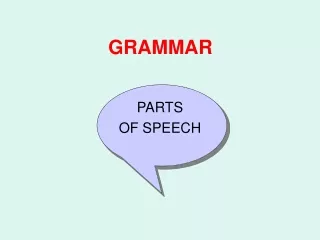
Understanding the Present Continuous Tense in English
E N D
Presentation Transcript
Grammar Elementary Present Continuous
Form Be + -ing
Form Be + -ing
Form Be + -ing
Spellingrules • work → working • take → taking • write → writing • buy → buying • study → studying • get → getting • die →dying • lie → lying
Usage • Things happening now. Whereismum? Sheiscookingin thekitchen. You’respeakingtoofastforme. • Temporaryaction. We’relearningaboutmammalsthisweek. My sister isstayingwithfriends in Prague untilshefinds a newflat.
Usage • Situationsofchange. Thenumberofstudentsatschoolsisfalling. Thethingsare gettingworst. • Futurearrangements. We’revisitingourfriendsthisevening. They’reflyingto France nextweek.
Literatura CLARKE, S. MacmillanEnglishGrammarIn ContextEssential. 1. vyd. Oxford: Macmillan Publisher Ltd, 2008. ISBN 978-1-5040-7049-2. MURPHY, R. Essential Grammar in Use. 3. vyd. Cambridge: CUP, 2007. ISBN 978-0-521-67543-7.
Now? Writetruesentences: • I/wash/my hair. • It/snow. • The sun/shine. • I/write. • I/learn/English.
Makequestions. Use presentcontinuous: • work/petr/today? • What/theboys/do? • Is/come/the bus? • TV/yourparents/watch? • Play/the piano/you?