Discovering Essential Native Plants: Bearberry, Dogbane, Bitter Roots, and Beargrass
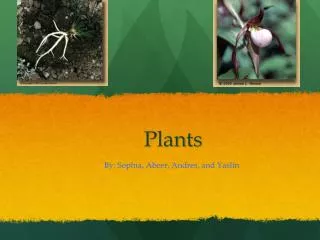
This document explores four significant plants discovered by Lewis and Clark, including Bearberry, Poisonous Dogbane, Bitter Roots, and Beargrass. Bearberry, known as Kinnikinnick, was a vital food source for Native Americans and settlers, while Dogbane is known for its toxicity to dogs. Bitter Roots, utilized by indigenous tribes across the Northwest, are nutritious yet not very tasty. Beargrass, though abundant, is misleadingly named as it is not a true grass. Each plant has a unique history and cultural significance, as explored by Sophia, Abeer, Andres, and Yaslin.

Discovering Essential Native Plants: Bearberry, Dogbane, Bitter Roots, and Beargrass
E N D
Presentation Transcript
Bearberry • Lewis and Clark discovered this plant in the Fort Clatsop, Columbia River. • Lewis and Clark called this plant Kinnikinnick or Sacacommis. • Natives smoke the leaves with tobacco. • Bearberries were once a main food for the Native Americans and White Settlers • Indians cooked them in salmon oil or added them to soups and stews. • The leaves of the Bearberry have been used in medicine. • After Lewis tasted the Bearberry he said it was “A very tasteless fruit. It was sweeter after it was boiled Written by: Sophia
Poisonous Dogbane • Means “Deadly to Dogs” because it is dangerous to dogs and livestock. • Animals avoid eating and it can be fatal to humans. • Discovered in the town of Kamiah in Idaho. • The plant was used to make fishing lines, nets and bowstrings, or was woven into bags, moccasins, mats, bedding, straps and the like. Written By: Yaslin
Bitter Roots • Raceme Amer: Vegetable used by Indians throughout the North West. • Bitter Tears: A plant found throughout the Rocky Mountains and most abundant in Western Montana. The name came from a story about an old Indian woman and how she cried for her sons. • Spetlem: Highly nutricious but not very tasty. Written by: Abeer
Luxuriant Beargrass • Lewis and Clark discovered that this plant grows in abundance on these mountains and the horses will not eat it. • It’s found in the Northern Rockies, the Cascade, and the Coastal Ranges. • Beargrass is not a “grass” because grasses have hollow stems and Beargrasshas sturdy green stalks with white colored flowers. Written by: Andres