
SlideServe
Menu
Préférences
© SlideServe · v2026

Proteins

mervyn avatar
22 diapositives · 545 Views · Jul 18, 2014

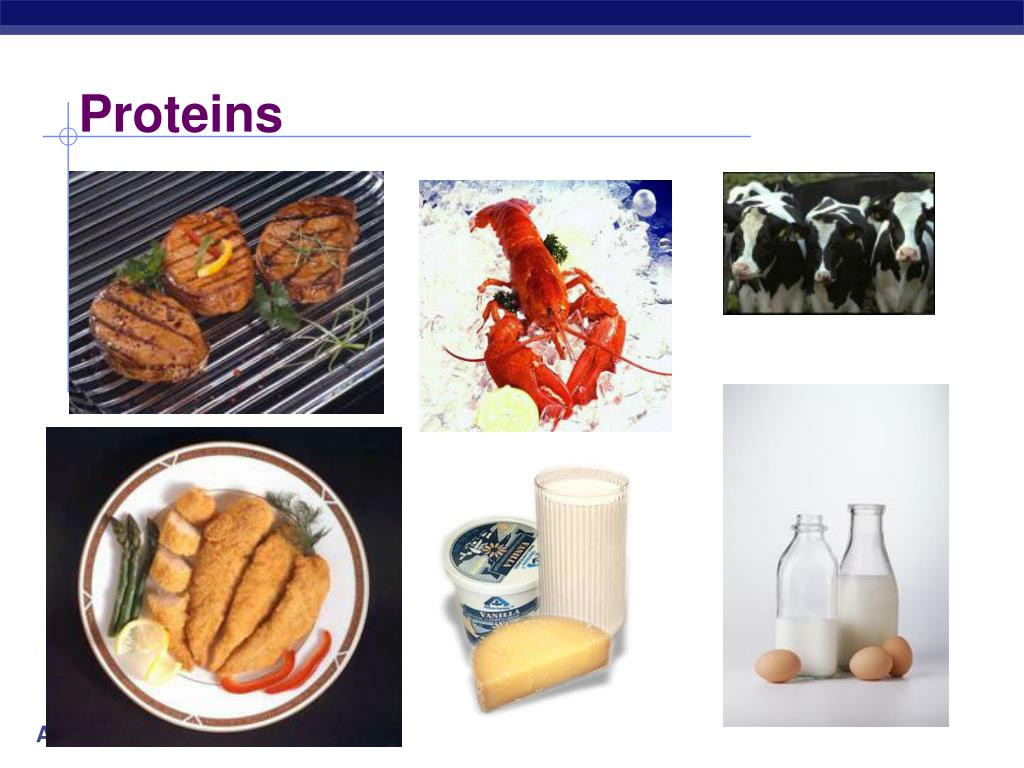
Proteins . Proteins. Multipurpose molecules. Proteins . Most structurally & functionally diverse group Function: involved in almost everything enzymes (pepsin, DNA polymerase) structure (keratin, collagen) carriers & transport (hemoglobin, aquaporin) cell communication
Proteins - slide 1
01 / 22Proteins
1 / 17

Télécharger la présentation

Proteins
Une image / un lien ci-dessous est fourni (tel quel) pour télécharger la présentation

Politique de téléchargement : le contenu du site vous est fourni TEL QUEL pour votre information et votre usage personnel ; il ne peut être vendu, concédé sous licence ni partagé sur d’autres sites sans l’accord de son auteur.Le contenu vous est fourni TEL QUEL, pour votre information et votre usage personnel uniquement. Téléchargez la présentation en cliquant sur ce lien. Lors du téléchargement, si vous ne parvenez pas à télécharger une présentation, l’éditeur a peut-être supprimé le fichier de son serveur.Pendant le téléchargement, si vous ne parvenez pas à obtenir une présentation, le fichier a peut-être été supprimé par l’éditeur.

F I N

Plus de contenu associé

Transcription de la présentation
  1. Proteins

  2. Proteins Multipurposemolecules

  3. Proteins • Most structurally & functionally diverse group • Function: involved in almost everything • enzymes (pepsin, DNA polymerase) • structure (keratin, collagen) • carriers & transport (hemoglobin, aquaporin) • cell communication • signals(insulin & other hormones) • receptors • defense (antibodies) • movement (actin & myosin) • storage (bean seed proteins)

  4. H2O Proteins • Structure • monomer =amino acids • 20 different amino acids • polymer =polypeptide • protein can be one or more polypeptide chains folded & bonded together • large & complex molecules • complex 3-D shape hemoglobin growthhormones Rubisco

  5. H O | —C— | H || C—OH —N— H Amino acids • Structure • central carbon • amino group • carboxyl group (acid) • R group (side chain) • variable group • different for each amino acid • confers unique chemical properties to each amino acid • like 20 different letters of an alphabet • can make many words (proteins) R Oh, I get it! amino = NH2 acid = COOH

  6. Effect of different R groups: Nonpolar amino acids • nonpolar & hydrophobic Why are these nonpolar & hydrophobic?

  7. Effect of different R groups: Polar amino acids • polar or charged & hydrophilic Why are these polar & hydrophillic?

  8. Ionizing in cellular waters H+ donors

  9. H+ acceptors Ionizing in cellular waters

  10. Sulfur containing amino acids • Formdisulfide bridges • covalent cross links betweens sulfhydryls • stabilizes 3-D structure H-S – S-H You wonderedwhy permssmell like rotten eggs?

  11. H2O peptidebond Building proteins • Peptide bonds • covalent bond between NH2 (amine) of one amino acid & COOH (carboxyl) of another • C–N bond dehydration synthesis

  12. Building proteins • Polypeptide chains have direction • N-terminus = NH2 end • C-terminus = COOH end • repeated sequence (N-C-C) is the polypeptide backbone • can only grow in one direction

  13. hemoglobin collagen Protein structure & function • Function depends on structure • 3-D structure • twisted, folded, coiled into unique shape pepsin

  14. Primary (1°) structure • Order of amino acids in chain • amino acid sequence determined by gene (DNA) • slight change in amino acid sequence can affect protein’s structure & its function • even just one amino acid change can make all the difference! lysozyme: enzyme in tears & mucus that kills bacteria

  15. Just 1out of 146amino acids! Sickle cell anemia I’mhydrophilic! But I’mhydrophobic!

  16. Secondary (2°) structure • “Local folding” • folding along short sections of polypeptide • interactions between adjacent amino acids • H bonds • weak bonds between R groups • forms sections of 3-D structure • -helix • -pleated sheet

  17. Secondary (2°) structure

  18. Tertiary (3°) structure • “Whole molecule folding” • interactions between distant amino acids • hydrophobic interactions • cytoplasm is water-based • nonpolar amino acids cluster away from water • H bonds & ionic bonds • disulfide bridges • covalent bonds between sulfurs in sulfhydryls (S–H) • anchors 3-D shape

  19. Quaternary (4°) structure • More than one polypeptide chain bonded together • only then does polypeptide become functional protein • hydrophobic interactions hemoglobin collagen = skin & tendons

  20. Protein structure (review) R groups hydrophobic interactions disulfide bridges (H & ionic bonds) 3° multiple polypeptides hydrophobic interactions 1° amino acid sequence peptide bonds 4° 2° determinedby DNA R groups H bonds

  21. In Biology,size doesn’t matter, SHAPE matters! Protein denaturation • Unfolding a protein • conditions that disrupt H bonds, ionic bonds, disulfide bridges • temperature • pH • salinity • alter 2° & 3° structure • alter 3-D shape • destroys functionality • some proteins can return to their functional shape after denaturation, many cannot

  22. EAT X Let’s build some Proteins!