Download

1 / 10
110 likes | 238 Vues
This comprehensive overview highlights the critical importance of calories and nutrients for maintaining health. It examines how caloric needs vary across different demographics based on age, gender, and activity levels. The text also explores issues like malnutrition caused by poverty, dietary habits, and overpopulation, along with the diversity of food sources across regions. By emphasizing food varieties and the impact of nutrition, it sheds light on challenges like undernutrition and the importance of sustainable farming practices to support global health.

E N D
Calories and Nutrition Juli and Danielle
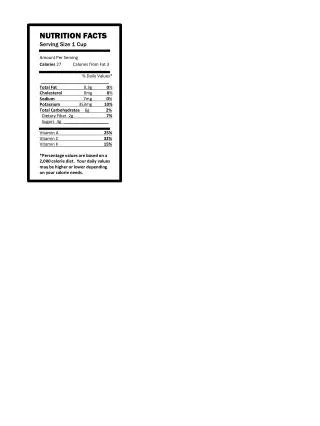
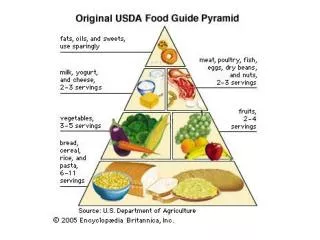
Nutrition Right amount of nutrients to allow the body to grow and stay healthy
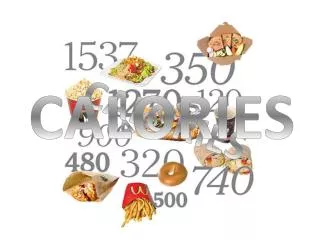
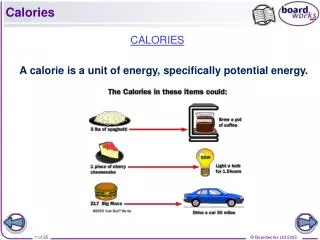
Calories Needed calories for each person varies based on age, gender, and activity
Malnutrition • Inadequate amount of nutrients to keep the body healthy • Causes: poverty, lack of arable land, starvation, over-population, diet
Poverty Starvation • Don`t have money, can`t buy food • A country needs funds for farming and shipping food • Underdeveloped countries • Too impoverished to buy food • Eating disorder • Diet
Selected food crops: • 1. Chinese-Japanese region bamboo, millet, mustard, orange, peach, rice, soybean, tea 2. Indochinese-Indonesian region bamboo, banana, coconut, grapefruit, mango, rice, sugar cane, yam • 3. Australian region macadamia nut • 4. Hindustani region banana, bean, chick-pea, citrus, cucumber, eggplant, mango, mustard, rice, sugar cane 5. Central Asian region apple, apricot, bean, carrot, grape, melon, onion, pea, pear, plum, rye, spinach, walnut, wheat • 6. Near Eastern region almond, barley, fig, grape, lentil, melon, pea, pistachio, rye, wheat • 7. Mediterranean region beetroot, cabbage, celery, fava bean, grape, lettuce, oats, olive, radish, wheat8. African region coffee, millet, oil palm, okra, sorghum, teff, wheat, yam • 9. European-Siberian region apple, cherry, chicory, hops, lettuce, pear • 10. South American region cacao, cassava, groundout, lima bean, papaya, pineapple, potato, squash, sweet potato, tomato 11. Central American and Mexican region french bean, maize, pepper/chill), potato, squash • 12. North American region blueberry, sunflower
No Food Diversity • Wheat, rice, and maize make up 60% of world`s food energy intake • Only 15 crops provide 90% of the world`s food intake • Could we eat more of the plant we grow? Would this help hunger?
Arable Land Overpopulation • People are taking up more space • Salinization and poor irrigation • Soil degradation • Too many people in one area • Consume more resources • Reaching the carrying capacity
Under Nutrition • Type of malnutrition • Outcome of insufficient food intake and body`s inability to absorb nutrients consumed • Infectious diseases and the causes of malnutrition
Works Cited • http://www.nyc.gov/html/doh/html/cdp/cdp_pan-calorie.shtml • http://studentaffairs.case.edu/health/medical/nutrition.html • http://kidshealth.org/teen/food_fitness/nutrition/hunger.html • http://www.unicef.org/progressforchildren/2006n4/index_undernutrition.html • http://www.fao.org/docrep/u8480e/U8480E07.htm