
Cells: Structure and Function
E N D
Presentation Transcript
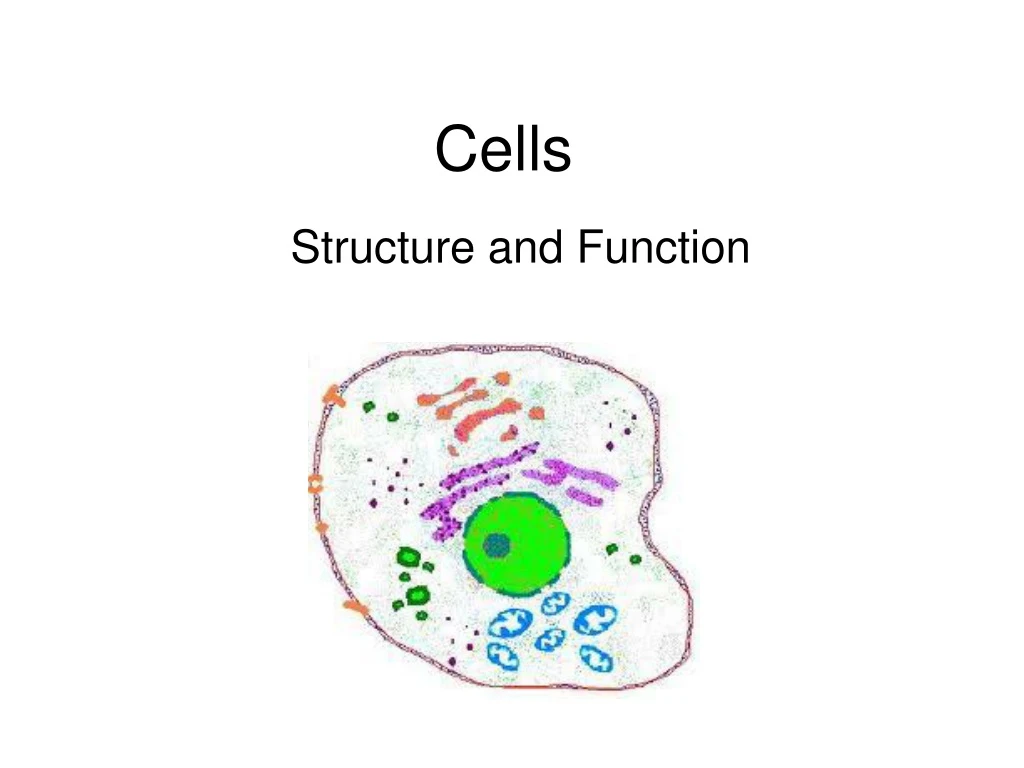
Cells Structure and Function
What We Will Learn • How were cells discovered? • What are the basic differences between types of cells? • How are cells structured? • What are the functions of different cell structures – how do they work?
Cellular Basis of Life • Cell • Smallest living unit of any organism • Capable of carrying out all life functions • Uni-cellular life – single cell • Multi-cellular life – many cells with different functions
History of Cell Discovery • Most cells too small to see with naked eye • Invention of microscope enabled scientists to discover and study cells
Scientists and Cell Study Leewenhoek: • Simple microscope • Observed organisms in pond water, blood cells, bacteria Hooke: • Crude compound microscope • Observed cell walls of cork • Coined term “cells”
Schleiden: (Botanist) • Stated all plants are made of cells Schwann: (Zoologist) • Stated all animals made of cells
Virchow: • Stated all cells come from pre-existing cells Brown: • First to identify an internal cell structure (nucleus) From this research and observation of living things a scientific theory was developed (took over 200 years!)
Cell Theory • All living things made up of cells • Cells are the basic units of structure and function in living things • New cells come from existing cells
Exceptions to Cell Theory Viruses: • Need host cell to carry out life processes
Exceptions to Cell Theory Mitochondria & Chloroplasts: • Organelles that reproduce inside cell • Have own unique genetic material • Can’t survive outside of cell
Exceptions to Cell Theory The First Cell • Where did it come from? • What was it like?
2 Basic Types of Cells • Prokaryotes • Eukaryotes Both Types: • Contain DNA • Are surrounded by cell (plasma) membrane • Carry out all life functions
Prokaryotes • No nucleus • Lack internal membrane bound organelles • DNA in cytoplasm • Metabolic functions take place in cytoplasm • Smaller, simpler more primitive cells • Ex: bacteria
Eukaryotes • Nucleus encloses DNA • Specialized membrane bound organelles (more compartmentalized) • Larger, more complex • Ex: protists, plants, animals, fungi
The Cell as a Factory • Each organelle carries out a specialized function. • Ex: • Oversee cell activities • Provide energy • Produce products • Get rid of wastes
Cell Membrane • Also called “plasma membrane” • Separates inside of cell from outside environment
Made of lipid and protein bi-layer • Called the “fluid mosaic model” • Controls substances going in and out of cell (selectively permeable) http://youtu.be/Rl5EmUQdkuI
Channel Proteins: allow for selective movement of materials in and out of cell membrane
Phospholipids: molecules that line up in a bi-layer (two layers) to make cell membrane Hydrophilic = “water loving” end Hydrophobic = “water fearing” end
Cell Wall • Found in plants, fungi, some bacteria and protists • NOT in animal cells • Inflexible structure • Made of cellulose fibers woven together • In fungi made of chitin • Protect cell and give it support and shape
Cytoplasm Liquid, gel-like substance inside cell membrane (75% water) Many substances dissolved in it Most chemical reactions take place here.
“Cyclosis”: the movement of materials through cytoplasm http://youtu.be/7jw-N82tHjc
Cytoskeleton • Internal framework inside cytoplasm • Made of fibrous rods • microfilaments • microtubules • Maintains cell shape • Supports and moves organelles
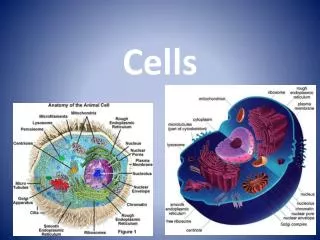
Nucleus • Directs cell activities • Eukaryotic Cells ONLY!! • Control center for metabolic functions and reproduction • Provides instructions for making proteins and other molecules for the cell
Nuclear envelope: membrane surrounding nucleus Nuclear pores: allow materials to leave or enter Nucleolus: dark inner area. Ribosomes formed here
Chromatin: • coiled DNA, in the nucleus • contains instructions for building proteins • unwound and spread out
Communicates with rest of cell by movement of molecules through nuclear pores • During cell division, chromatin condenses to form chromosomes that replicate and divide
Endoplasmic Reticulum (E.R.) • Channels to move materials inside cell • Highly folded (increases surface area)
Rough ER: “bumpy” with ribosomes attached to surface Smooth ER: doesn’t have ribosomes on surface
Ribosomes • Site of protein synthesis • Small round structures • Cell has a lot of them (needs proteins!) • May be free floating in cytoplasm or attached to the “rough” E.R.
Golgi Bodies • Stack of membranes (like pancakes) • Involved in modifying, packaging, storing and releasing products
Vesicles: packages containing proteins that are pinched off to be used inside cell or transported out.
Lysosomes • Membrane enclosed vesicles • Hydrolytic digestive enzymes • Breaks down food and worn out cell parts • Formed by Golgi Bodies http://youtu.be/ekdIEpSf-1I
Vacuoles • Stores water, food, wastes • Much larger in plant cells • Used to help give cell shape, structure
Contractile Vacuoles: • Found in single celled freshwater organisms like paramecium • “contract” to pump out excess water from cell
Mitochondria • Powerhouse of the cell • Site of cellular respiration • Makes usable energy (ATP)
Simple sugars are broken down to release energy as ATP • The more energy a cell needs the more mitochondria it has!
Cristae: Highly folded inner membrane that allows for increased surface area for cellular respiration reactions