
Cells
E N D
Presentation Transcript
Levels of cellular organization Atom Molecule Organelle Cell Tissue Organ Organ System Organism
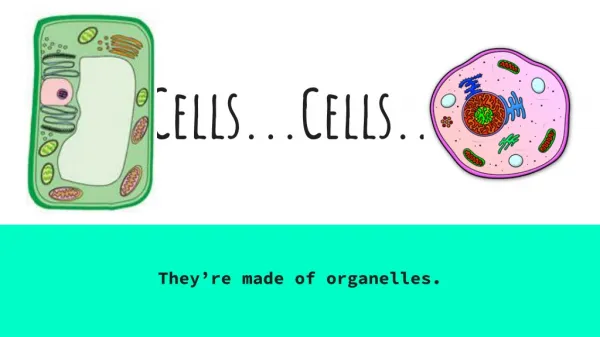
Division of Cells • Eukaryotic Cells • Literally means “True nucleus” • Have a nucleus • Complex Cells • Have membrane-bound organelles • Organisms made of eukaryotic cells are called “eukaryotes” Examples: Animals, Plants, Fungi, Unicellular organisms like paramecium and amoeba
Cellular Components • Cytoplasm • Gel-like substance within the cell where organelles are found • Cytoskeleton • “Cell skeleton” • Network of protein fibers that maintain the shape of cell • Composed of three networks of fibers • Microtubules: largest; hollow tubes made of protein; determine cell shape; scaffolding • Intermediate Filaments: Provide strength of cell • Actin Filaments: smallest; contractile string-like proteins that allow for cell movement
Cellular Components • Cell Membrane • Semi-permeable barrier that encloses the cell • Regulates what enters and exits the cell • Provides protection • Found in all types of cells • Cell Wall • Porous, rigid barrier found surrounding the cell membrane • Adds additional layer of support and protection • Not found in animal cells
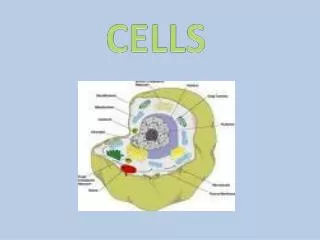
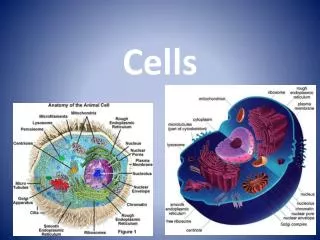
Organelles • Nucleus • Houses the genetic material (DNA) needed for replication of the cell • “Control Center” of the cell • Contains the instructions for the creation of proteins (made from DNA) • Exterior: Surrounded by nuclear envelope: double-layered membrane that encloses the DNA; contains nuclear pores: small openings that allow for the passage of molecules between the cytoplasm and the nucleus • Interior: DNA in the form of chromatin (string-like) • Nucleolus: where ribosomes are made; very dense region
Organelles • Endoplasmic Reticulum • A grouping of sac-like structures • Two Types of ER: • Rough ER: contain ribosomes (creating ‘rough’ appearance); involved in the process of protein synthesis • Smooth ER: no ribosomes; involved in lipid synthesis • Ribosomes • Location where proteins are made (protein synthesis)
Organelles • Golgi Apparatus • Looks like a stack of membranes (pancake-like appearance) • Modifies, sorts and packages proteins received from the ER. • Break off from the golgi apparatus; floats freely in the cell or travels to cell membrane where it will eventually exit the cell. • Creation of lysosomes
Organelles • Lysosomes • Contain enzymes necessary for digestion of cell food or waste • Can break down lipids, carbs, proteins • Digest non-functional organelles, ‘cleaning up’ the cell
Organelles • Vacuoles • Sac-like structure responsible for storage of various materials (e.g. water, carbs, proteins, etc.)
Organelles • Mitochondria • The “Powerhouse” of the cell • Convert food energy into energy that is used by the cell itself (for growth, development, movement, etc.) via cellular respiration • ATP (Adenosine Triphosphate) • Complex structure
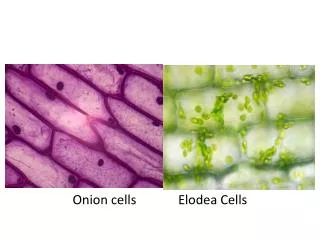
Organelles • Chloroplast • Site of photosynthesis • Energy from sun is captured and converted into chemical energy • Contain the pigment chlorophyll which absorbs solar energy used in photosynthesis • Responsible for the green color of plants
Organelles • Centrioles • Made of microtubules • Located near nucleus • Organize microtubules within the cytoskeleton prior to cell division
Division of Cells • Prokaryotic Cells • Include Bacteria & Archaea • Literally means “before nucleus” • So-have no nucleus • Lack membrane-bound organelles • Simpler and much smaller than Eukaryotes • Organisms made of prokaryotic cells are called “prokaryotes”
Structure of Prokaryotes • Three basic shapes • Bacilli: rod-shaped bacteria • Cocci: Spherical-shaped bacteria • Spirilla: Spiral-shaped bacteria; flexible
Prokaryotic Cell Parts: Interior Do prokaryotic cells have DNA if they lack a nucleus? • Nucleoid: a region within the cytoplasm of the cell in which the DNA is located; center of the cell (no membrane encloses the DNA) • Cytoplasm • Semifluid, gel-like solution encased within the cell membrane of the cell
Interior • Ribosomes • Made of two subunits (each containing a combination of various proteins and rRNA) which work together to synthesize protein • Located throughout the cytoplasm
External Layers • Cell Membrane • Regulates the entrance and exit of various substances in and out of the cytoplasm • Cell Wall • Provides shape, structure, and support for cell • Glycocalyx • The outermost layer of bacterial cells; gel-like protective layer
External Structures • Flagella • Allows for cell movement • Long, rotating filament that propels the cell forward • Fimbriae • Hair-like bristles located on the external surface of the cell • Allow cells to attach to surfaces • Conjugation Pili • Tube-like structures that allow for bacteria to pass DNA from cell to cell; usually larger and less numerous than fimbriae