
Cell Structure and Function
E N D
Presentation Transcript
Cells Chapter 3
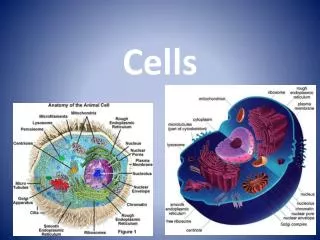
Cell Structure • Plasma membrane • Cytoplasm: cytosol + organelles • Nucleus
Cell Membrane • Phospholipid bilayer • Cholesterol • Proteins • attached carbohydrates
Membrane Function • Barrier between inside and outside of cell • Controls entry of materials- Transport • Receives chemical and mechanical signals • Transmits signals between intra- and extra cellular spaces • Note the various proteins in figure
Terminology: Body Fluid Pools • Intracellular (ICF) • 2/3 of total • Extracellular (ECF) -> • Between cells = Interstitial • In blood vessels = Plasma • In lymphatic vessels = Lymphatic
Terminology: Solutions • Solvent- doing the dissolving • Mostly water • Solute- material dissolved • Concentration • Amount of solute in a given amount of solvent • Concentration gradient • Difference in concentration between 2 areas of solution
Cell Membrane Transport Slides 11-21 can be Interactively reviewed using the Wiley DVD: Interactions Exploring the Human Body 3.0 Software: Under Foundations>>Contents>>Cellular Level of Organization>>Transport Across the Plasma Membrane
Passive transport: Diffusion • Requirements for Simple Diffusion • Concentration gradient of solute • Can diffuse across a membrane • either dissolve in the lipid membrane • e.g. O2, C O2, lipid soluble vitamins • if charged must go through channels • Specialized ion channels that can open and shut = (gated channels)
Facilitated Diffusion • Requires a carrier in membrane • Only goes down concentration gradient • Saturates = maximum speed • Maximum speed dependent on carrier number
Active Transport • Requires a carrier • Requires energy (ATP) • Can transport up a concentration gradient • Critical for moving important ions • Major active transport in most cells = • Sodium-potassium (Na+/K+) pump
Osmosis • Diffusion of water • Must have a membrane • Membrane impermeable to a solute
Transport in Vesicles • Requires energy • Involves small membrane sac • Endocytosis- importing materials • Exocytosis- exporting materials
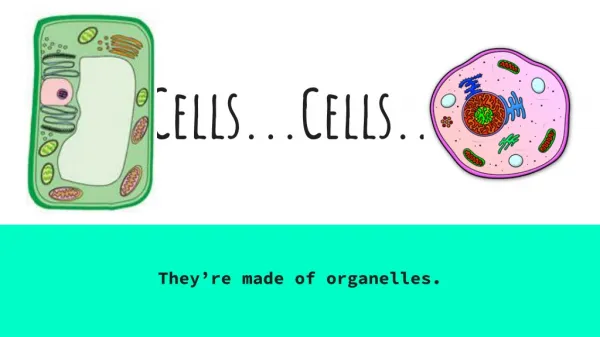
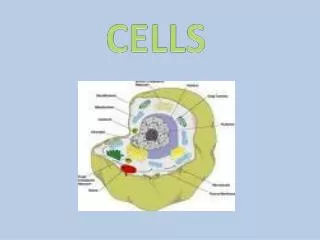
Cell organellesTable 3.2 • Cytoskeleton- Fig 3.11 • Flagella, Cilia & Centrioles- Motion • Endoplasmic reticulum- Fig. 3.14 • Golgi apparatus- Fig. 3-15 • Mitochondrion- Fig 3-16 • Nucleus, nucleolus, nuclear envelope- Fig. 3-17 • Vesicles, e.g. lysosome-
Cytoplasm • Cell contents • Includes organelles and Cytosol • Excludes nucleus
Cytoskeleton • Maintain shape of cell • locate organelles • change cell shape • Includes: microfilments, intermediate flilments, microtubules
Centrosome • Centriole • Pericentiolar material
Cilia and flagella • Specialized for motion • Flagella- single • Cilia in groups • Found in respiratory system- move mucus
Ribosomes • Sites of protein synthesis • Ribosomal RNA (rRNA) • Ribosomal Proteins • Can be attached to endoplasmic reticulum or free in cytosol
Endoplasmic Reticulum- • Synthesis and intracellular transport • lipid synthesis- all • Protein synthesis- rough E.R. • Protein modification • transport around cell
Golgi Complex • Modify and package proteins • E.g. lipoproteins and glycoproteins • Some packaged into vesicles=> • Lysosomes or export by exocytosis
Small bodies • Lysosomes- contain digestive enzymes • Peroxisomes- oxidize for detoxification • Abundant in liver • Proteasomes- digest proteins
Mitochondrial function • Energy (ATP) production • Where oxygen is consumed • where nutrients are “burned”
Nucleus • Round or oval structure • Surrounded by nuclear envelope • Openings = Nuclear pores • Can include a nucleolus- make ribosomes • Store genetic material • copy information for transfer • to new cells • to the cytosol for protein synthesis
Protein Synthesis • 2 steps • Nuclear = transcription • Cytoplasmic = translation
Protein synthesis Slides 42-52 can be Interactively reviewed using the Wiley DVD: Interactions Exploring the Human Body 2.0 Software: Under Foundations>>Contents>>Cellular Level of Organization>>Protein Synthesis
Transcription • In nucleus • RNA polymerase transcribes DNA into RNA=> • 1. messenger RNA (mRNA) • Directs synthesis of polypeptide • 2. Ribosomal RNA • Part of ribosomes • Transfer RNA (tRNA) • Carries amino acids to ribosome for reaction
Translation • Requires 3 different RNAs • Message RNA -from nucleus (mRNA) • Transfer RNA to carry amino acids (tRNA) • Ribosomes to do the actual work containing ribosomal RNA (rRNA)